

Which Screen-Free Toys and Activities Do Toddlers Love Most?
Introduction Choosing the right toys for young children is more than just a ...

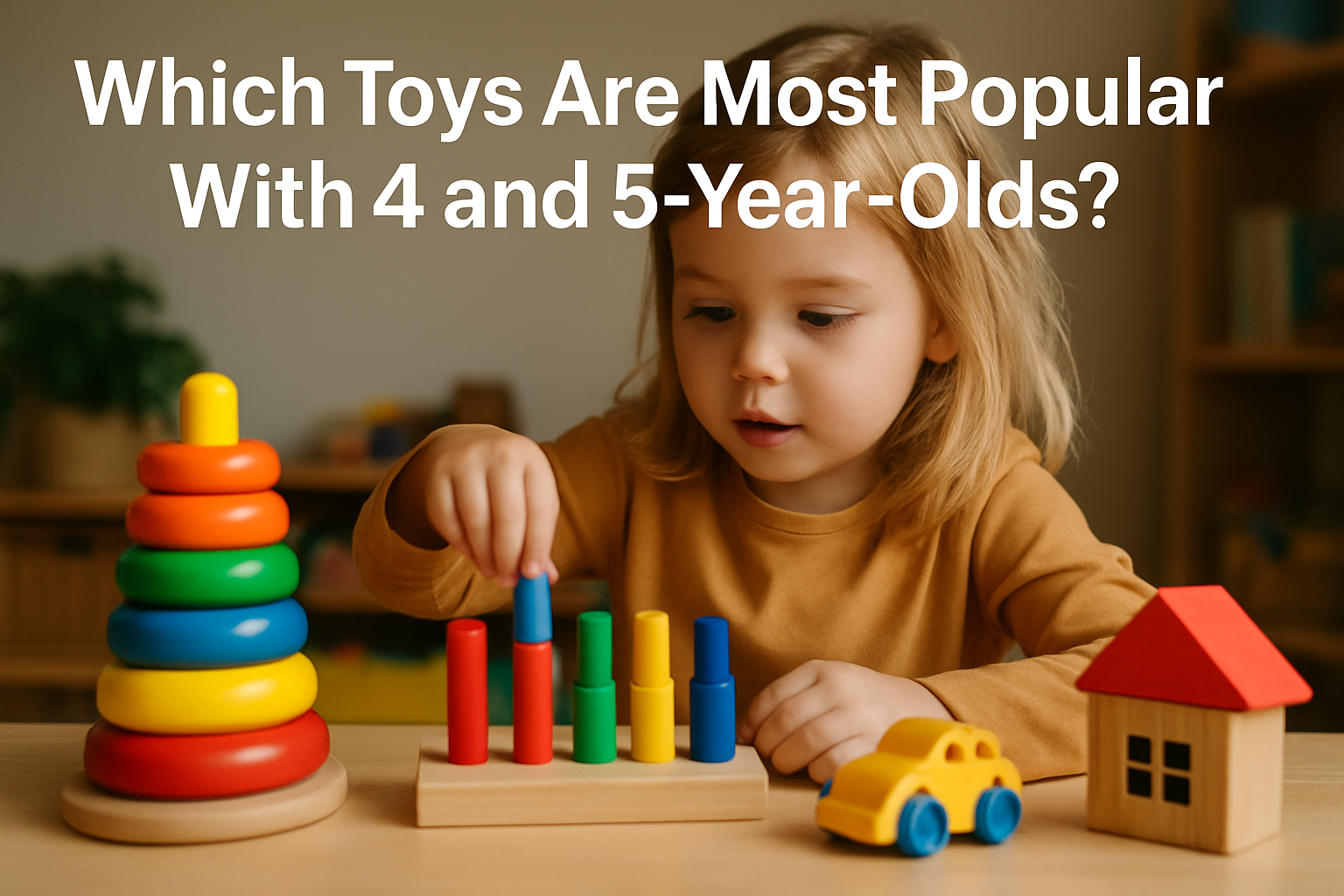

Choosing the right toys for young children is more than just a matter of preference; it plays a pivotal role in their development. Childhood is a crucial period where cognitive, emotional, and social skills begin to form. Toys act as tools that facilitate learning and exploration, helping children navigate their world. Selecting engaging and age-appropriate toys can greatly influence a child's logic and understanding of various concepts.
Play is not just about entertainment; it is a fundamental aspect of early childhood education. Through play, children learn to express themselves, develop problem-solving skills, and foster creativity. Various types of toys have unique benefits, serving different developmental needs at this formative stage. Understanding the significance of play helps parents and caregivers make informed decisions on selecting toys that will enhance their child's growth and creativity.
The purpose of this article is to identify the most popular toys among 4 and 5-year-olds and explore how these toys can promote essential skills such as creativity, learning, and social interaction. By examining the characteristics of these toys, we hope to highlight how they contribute to a well-rounded early education for children. The emergence of popular toys often reflects shifts in educational philosophy, particularly emphasizing hands-on learning and interactive play. Understanding these trends can help parents choose toys that not only entertain but also educate and inspire their young ones.
When it comes to selecting toys for 4-year-olds, options abound that not only entertain but also engage and educate. These versatile building blocks captivate children, allowing them to construct everything from simple structures to elaborate designs. Many parents have observed that their children can spend extended periods engrossed in building activities, which not only keeps them occupied but also fosters creativity and spatial awareness. Through the process of assembling and reconstructing, children develop crucial skills like problem-solving and fine motor skills while enjoying imaginative play.
Another popular choice among young children is Magnetiles. These magnetic building tiles offer a unique way to encourage creativity and exploration. With their colorful, geometric shapes, children can easily stack and connect pieces to create a variety of forms, from simple structures to complex designs. The appeal of Magnetiles lies in their ability to promote open-ended play, allowing kids to explore independently and think critically about the connections they are making. This kind of play fosters independent thinking and problem-solving skills as children experiment with different combinations and structures.
In today’s educational environment, STEM toys are gaining significant traction among parents as they encourage foundational skills in science, technology, engineering, and math. These educational toys come in various forms, from building kits to interactive games that make learning enjoyable. Parents appreciate these toys not just for their educational value but also for the way they engage children’s imaginations. By integrating fun with essential learning concepts, STEM toys provide an effective way for kids to explore and understand the world around them while preparing for future academic success.
Play kitchens and pretend play sets are also a favorite amongst this age group. These toys promote imaginative play and storytelling, enabling children to engage in role-playing scenarios that reflect real-life experiences. By mimicking everyday tasks such as cooking or shopping, children can explore various social roles and develop social skills through cooperative play with peers. This type of play allows for verbal expression and boosts confidence while fostering a love for creativity and imagination.
Action figures and dinosaurs capture the hearts and minds of many 4-year-olds. Not only are these toys great for imaginative play, but they also provide physical play opportunities as children act out scenarios involving their favorite superheroes or prehistoric creatures. The interactive potential of action figures and themed toys encourages kids to combine storytelling with movement, thereby developing their motor skills and physical coordination. Encouraging play that combines imagination with physical activity can lead to hours of fun, promoting both creativity and healthy living.
Arts and crafts supplies stand out for their ability to foster creativity and self-expression. Items such as stickers, coloring books, and various craft kits allow children to unleash their imaginations and create unique artworks. Engaging in arts and crafts can also enhance fine motor skills through cutting, drawing, and assembling, while providing a sense of accomplishment upon completing their projects. Parents often find that these supplies lead to peaceful activities that inspire young artists to explore their creativity without boundaries.
Lastly, puzzles remain a beloved choice among 4-year-olds, with age-appropriate designs captivating their attention. Puzzles are not just a source of entertainment; they also help develop essential problem-solving skills and cognitive abilities. As children piece together different components, they learn about shapes, patterns, and spatial relationships. Engaging them in puzzle play can also promote patience and perseverance when faced with more complex challenges, making it a valuable addition to their toy collection.
When it comes to toys for 5-year-olds, there's a myriad of options that not only entertain but also educate. At this age, children's imaginative capabilities and motor skills are rapidly developing, making it the perfect time for toys that encourage creativity and active play. Here is a look at some of the most popular choices among children and parents alike.
Magnatiles are another favorite in the realm of building toys. These magnetic tiles provide a different kind of building experience that promotes imaginative play. Kids can construct everything from simple shapes to complex designs, encouraging not just creativity but also an understanding of basic engineering concepts. The bright colors and unique shapes of Magnatiles attract children’s attention and invite exploration.
Using Magnatiles, children learn about balance, symmetry, and spatial reasoning while engaging their problem-solving skills. As they experiment with different configurations, they also develop critical thinking abilities. This type of open-ended play is vital for young children, as it allows them to explore their ideas without the constraints of traditional building sets. The hands-on experience of creating something tangible ensures that kids remain engaged for extended periods.
Pretend play items such as cooking sets, costumes, and play food are essential for sparking the imagination of 5-year-olds. These toys allow children to step into different roles and scenarios, whether it’s cooking a meal alongside family or dressing up as their favorite character. Such imaginative play is crucial for social and emotional development. It allows children to practice adult roles and develop empathy by acting out various situations.
Moreover, pretend play encourages language development as children articulate their thoughts, negotiate roles, and interact with peers. When they engage in role-playing games, they learn to express their ideas and emotions, which enhances their communication skills. Children also strengthen their cognitive abilities as they create stories around their play scenarios, enriching their understanding of the world around them.
Art and craft supplies play a vital role in fostering creativity among 5-year-olds. With access to various materials like coloring kits, stickers, and craft tools, children can express themselves artistically. Engaging in arts and crafts helps develop fine motor skills and hand-eye coordination, both of which are crucial at this developmental stage.
Through artistic expression, children learn to make choices and experiment with colors and textures. The process of creating art also has therapeutic benefits, allowing children to convey their feelings and thoughts visually. Beyond just art, crafting encourages patience as they work on projects over time—skills that are essential for their overall growth. Parents often find that art activities prompt creativity, leading to unique creations that children take pride in.
Educational toys are designed to promote both fine and gross motor skills, which are essential during this stage of development. Toys such as building blocks and role-play equipment help enhance these motor skills while providing opportunities for cognitive development. Children engage in activities that require stacking, fitting, and manipulating parts, which are foundational skills for later learning.
These toys typically integrate lessons in mathematics, language, and science, encouraging children to learn while they play. For instance, toys that involve measuring, counting, or problem-solving challenge children mentally, enhancing their critical thinking abilities. This combination of physical activity and mental engagement makes educational toys some of the most beneficial options available for young learners.
Story and audio toys serve to enhance playtime experiences through music and storytelling. These toys capture children's attention and create a magical atmosphere that encourages imaginative adventures. By introducing narrative elements, children develop their storytelling skills and creativity as they devise their own tales during playtime.
Moreover, these audio toys often introduce children to concepts like rhythm and sound, which can aid in language development. Listening to stories also fosters comprehension and inspires children to create their own narratives, further enriching their vocabulary. As children engage with these toys, they are exposed to different cultures and ideas, enhancing their worldview.
Outdoor active play equipment such as scooters and playsets encourages physical activity, which is critical for a child's development. At this age, children have abundant energy, and outdoor play provides an outlet for them to explore their environment. Activities like riding a scooter or climbing on a play set enhance physical skills such as balance, coordination, and strength.
Physical activity has numerous benefits beyond just fitness; it plays a significant role in improving mood and promoting social interactions with peers. Engaging in outdoor play helps children develop crucial social skills such as teamwork, sharing, and problem-solving. Additionally, being outdoors allows children to connect with nature, fostering an appreciation for the world around them while also improving their overall well-being.
Board games designed for young children introduce basic mechanics that are essential for understanding game play. These games often involve counting, color recognition, and simple strategies, making them suitable for 5-year-olds. They provide a fantastic opportunity for family interaction, fostering cooperation and teamwork as children learn to share turns and communicate their strategies.
Playing board games also nurtures critical thinking and decision-making skills. As children navigate the game's challenges and unexpected twists, they learn resilience and the value of patience. Additionally, these games can improve attention spans as children focus on the game for longer periods. The social aspect of board games encourages bonding among family members, creating memories that last a lifetime.
Understanding trends in toy popularity is essential for fostering early childhood development. Toys play a pivotal role in shaping a child's growth, as they offer opportunities for learning, creativity, and emotional expression. By examining current trends, caregivers and educators can select toys that align with developmental milestones and encourage holistic growth. Recent shifts towards eco-friendly materials and interactive toys reflect a growing awareness of sustainability and engagement, thereby enhancing the developmental benefits associated with play.
The role of toys extends beyond mere entertainment; they are instrumental in nurturing a child's emotional well-being and creativity. Through play, children explore their environments, express their feelings, and develop social skills. Engaging with various types of toys stimulates imaginative play, allowing children to create scenarios, solve problems, and build resilience. For instance, toys that encourage role-playing or scenario-based activities not only spark creativity but also provide a safe space for children to navigate complex emotions and social interactions.
Turning to specific play activities, imaginative play items such as capes, masks, and tea sets stand out as exceptional tools for enhancing creativity and social skills. When children engage in role-playing with these items, they experiment with different identities and social situations, which can foster empathy and understanding. This type of play allows them to collaborate with peers, enhancing their communication skills and encouraging teamwork. Furthermore, these imaginative activities are not merely play; they are vital developmental exercises, helping children to process their thoughts and collaborate with others in the world around them.
Additionally, certain board games specifically cater to younger age groups by introducing basic game mechanics that challenge children while promoting cooperative play. Games that require teamwork and communication help nurture essential social skills such as negotiation and conflict resolution. This type of engagement in game settings cultivates a sense of community among players, reinforcing the importance of working together towards common goals. Furthermore, these games often incorporate elements of strategy and critical thinking, which can enhance cognitive development in children.
For special occasions like birthdays and holidays, selecting the right toys is important. Parents and caregivers should focus on toys that not only promise entertainment but also promote creativity and learning. The ideal choices foster an engaging environment and stimulate intellectual curiosity. Options that encourage hands-on activity, exploration, and problem-solving are particularly effective. Such toys not only bring joy on special days but also continue to provide value throughout the year, emphasizing long-term benefits over short-term gratification. Overall, keeping these insights in mind can make a significant difference in chose toys that support children’s growth and development while ensuring they have fun in the process.
Toys play a fundamental role in a child's development, serving as essential tools for exploring and understanding the world. Through interaction with various toys, children engage in hands-on experiences that foster cognitive skills. For example, building blocks allow youngsters to experiment with concepts of balance and gravity while enhancing their spatial awareness. As they manipulate these objects, kids can discover principles of physics, such as stability and structure, in a playful environment that encourages curiosity. This type of exploratory play is vital; it not only aids in grasping complex ideas but also cultivates problem-solving abilities critical for lifelong learning.
Creativity is another area significantly influenced by play with toys. Art supplies, dolls, or construction kits inspire children to express their imagination. When engaging with these toys, children invent stories, create scenarios, and overcome challenges, all of which fuel their creative thinking. For instance, while playing with action figures, a child might create a narrative full of conflict and resolution, enhancing their storytelling abilities and emotional understanding. This form of imaginative play promotes the development of flexible thinking skills and encourages the exploration of different perspectives, which are valuable traits in navigating social interactions later in life.
Furthermore, toys are instrumental in promoting social interaction during play. Engaging with peers through cooperative games or shared activities helps children learn important social skills. They can practice communication, negotiation, and empathy as they work together to achieve common goals. Through role-playing games or team-based challenges, children learn to take turns, share resources, and resolve conflicts. These interactions not only strengthen their relationships but also build a foundation for future collaborative endeavors. Therefore, toys are not merely tools for entertainment; they are pivotal in shaping a child's social abilities, creativity, and cognitive understanding, providing a well-rounded foundation for their development.
Toys serve as powerful tools for fostering cognitive growth in children. When children engage with various types of toys, they often encounter opportunities to solve problems and think critically. This playtime is more than just fun; it lays the foundation for essential skills that will benefit them throughout their lives. Toys specifically designed to stimulate problem-solving skills encourage children to think outside the box, explore different possibilities, and develop their analytical abilities.
Puzzles are a prime example of toys that promote cognitive development. When a child works on a puzzle, they must recognize patterns, manipulate shapes, and envision how the pieces fit together. This process not only enhances their problem-solving skills but also improves their focus and patience. Moreover, by encountering challenges and figuring out how to overcome them, children learn resilience—a skill that is invaluable in all aspects of life. Similarly, building blocks foster cognitive growth by allowing children to experiment with balance, gravity, and spatial awareness. As they stack blocks of varying shapes and sizes, they begin to understand cause and effect, experimenting with how their actions impact their creations.
In addition to developing problem-solving skills, toys that stimulate cognitive growth also encourage analytical thinking. Toys that require strategy, such as certain games or construction sets, compel children to think logically and make decisions based on their observations and experiences. For example, when constructing models, children must analyze their designs and assess whether they are structurally sound. This cognitive process sharpens their ability to visualize spatial relationships and enhances their understanding of geometry. Through such engaging activities, children not only build their creativity but also develop an analytical mindset that is crucial for success in academics and later in life.
As children develop cognitive skills through play, it is vital for caregivers to provide them with various stimulating toys that cater to their evolving interests and abilities. Engaging with these toys encourages curiosity and exploration, key components in the cognitive development process. The importance of fostering an environment filled with enriching play experiences cannot be understated, as it directly impacts children’s ability to think critically, solve problems, and develop a lifelong love of learning. By selecting toys that challenge children cognitively, caregivers can play an essential role in supporting the growth of their children’s minds.
Playing develops essential social skills in children by creating opportunities for interaction. When children engage with toys and games designed for collaborative play, they naturally learn how to communicate, share, and cooperate with others. These experiences are fundamental as they help children understand the dynamics of relationships. For example, toys that require more than one participant often lead to discussions about rules, negotiation, and conflict resolution. Such interactions serve as a real-world training ground for socialization, fostering the notion that teamwork and cooperation are essential components of friendships.
Furthermore, learning to share is a critical lesson that children navigate during play. Through cooperative play, children learn that taking turns and allowing others to participate are vital to enjoying shared experiences. This social exchange not only builds empathy but helps kids to cultivate patience and understanding towards their playmates. In games that involve waiting for a turn or sharing resources, children discover the significance of balance in social interactions. These fundamental skills lay the foundation for their future relationships, equipping them with the tools needed to navigate community and social environments effectively.
In addition to teamwork and sharing, pretend play offers powerful lessons in empathy and social roles. When children engage in imaginative play, they often take on different characters, assuming roles that might not be their own. This role-playing experience allows them to explore various perspectives, which is essential for developing empathetic understanding. For instance, acting out scenarios such as being a doctor, teacher, or parent enables children to grasp and appreciate the feelings and responsibilities associated with these roles. This understanding can translate into real-world situations, helping children interact more compassionately with their peers. Overall, playful interactions provide a well-rounded platform for children to refine their social skills, preparing them for meaningful relationships throughout their lives.
The world of play is a gateway to imagination, where children can explore new ideas and express themselves. At the heart of this exploration are the toys that ignite creativity. Open-ended toys stand out as significant tools for fostering children's imaginative skills. Unlike toys with fixed functions, open-ended toys invite children to create their narratives, enabling them to use their creativity in limitless ways. This adaptability encourages kids to manipulate their environment, leading to innovative play scenarios that enhance problem-solving skills and imaginative thinking.
Classic toys that promote creative expression play a vital role in this process. These timeless instruments often lack predefined outcomes, inviting children to invent and explore. Building blocks, for instance, allow children to construct anything from simple structures to intricate designs, nurturing spatial awareness and critical thinking. This type of play not only fosters creativity but also cultivates patience and perseverance as children work through their building challenges. The unstructured nature of such toys enables children to engage with their peers, encouraging social interaction and collaboration, further enriching their imaginative experiences.
However, the limitations of character-specific toys can hinder creativity. While these toys may appeal to children's existing interests, they often confine them to a singular play narrative based on the characters' established traits. By focusing only on predefined scenarios, character-specific toys can restrict the scope of imaginative play, transforming what could be a boundless journey of creativity into a predictable experience. This restriction may discourage children from thinking outside the box and experimenting with different roles or narratives. Thus, while character-specific toys have their place, it's essential to balance them with open-ended options to fully nurture children's imaginative potential.
When selecting toys for 4 to 5-year-olds, it is essential to consider options that promote learning and development. Board games are an excellent choice for children in this age group. They encourage cooperative play, allowing kids to interact and communicate with their peers. This social interaction fosters teamwork and problem-solving skills while providing a fun way to learn the basics of turn-taking and following rules. Games designed for this age range often incorporate simple strategies that challenge young minds without overwhelming them, creating a balance between challenge and enjoyment.
Puzzles are another fantastic recommendation for enhancing cognitive skills. They stimulate critical thinking and promote hand-eye coordination. As children work to fit the pieces together, they develop spatial awareness and an understanding of how parts relate to a whole. Additionally, puzzles can range in complexity, catering to various skill levels and interests. Those with vibrant images and themes, such as animals or scenes from nature, can also spark curiosity and encourage discussions about the world around them.
Building sets are perfect for developing fine motor skills. These toys allow children to explore their creativity while strengthening their dexterity and hand strength. As they manipulate various components to construct their designs, children gain confidence in their ability to create and innovate. This type of play not only supports physical development but also enhances problem-solving capabilities as they figure out how to make their structures stable and functional. By encouraging imaginative building, parents can foster a child's sense of accomplishment and pride in their creative endeavors.
Role-playing toys are essential tools for developing social skills in young children. Engaging in pretend play helps them learn empathy, communication, and negotiation. Through role-playing, children explore different scenarios and emotions, gaining insights into various perspectives. These experiences can be further enriched with accessories that stimulate their imagination, encouraging storytelling and role exploration. Whether it’s playing house, setting up a store, or embarking on a make-believe adventure, these toys become a vital avenue for emotional and social growth.
Finally, art supplies are crucial for nurturing creative expression. Age-appropriate materials such as washable markers, crayons, and coloring books allow children to explore their artistic side. Creating art engages multiple senses and helps young learners experiment with colors, shapes, and techniques. Additionally, artistic activities can be a serene outlet for self-expression, contributing to emotional well-being. By providing a variety of supplies, parents can encourage children to express their ideas and feelings creatively, enhancing their overall development through the power of art.
In summary, the combination of board games, puzzles, building sets, role-playing toys, and art supplies creates a well-rounded selection of toys for children aged 4 to 5. These recommendations not only facilitate learning and growth but also promote enjoyable interactions, setting the stage for lifelong skills.
Selecting toys that are safe and suitable for children is vital for their development and well-being. The primary concern should always be safety. Toys should be made from non-toxic materials, free from sharp edges, and designed to withstand the typical rough handling by young children. It is essential to check for safety certifications or guidelines that indicate a toy meets specific safety standards. Parents and caregivers can make informed choices by reading labels and looking for age-appropriate recommendations that indicate whether a toy is safe for a particular age group.
Beyond safety, the developmental appropriateness of toys plays a significant role in a child's growth. Toys should encourage exploration, creativity, and learning relevant to the child’s current stage of development. For instance, younger children often benefit from toys that enhance sensory experiences, such as textured and colorful items, which can stimulate their cognitive functions. As children grow, toys that promote problem-solving skills and fine motor development become more beneficial. It is essential to look for toys that are designed to engage children intellectually and physically, ensuring they promote active participation and exploration.
Finally, the right toys should challenge a child without causing frustration. Finding the balance between difficulty and engagement can greatly impact a child's learning and enjoyment. Toys that are too easy may not hold a child's attention, while overly complex toys can lead to frustration and disengagement. Parents should assess whether a toy encourages the child to think critically, solve problems, and engage with their peers. By selecting toys that are appropriately challenging, caregivers can foster resilience and a sense of accomplishment, ultimately nurturing a child's growth and confidence in their abilities.
When selecting toys for young children, it’s essential to consider criteria that align with their developmental needs and interests. At ages four and five, children are rapidly developing cognitive and physical skills, making this an ideal time to choose toys that enhance those milestones. Engaging toys contribute greatly to their growth by encouraging imaginative play and promoting problem-solving abilities. Look for toys that challenge them just enough to stimulate learning while still being fun.
One of the primary criteria should be the developmental milestones of children at this age. Toys that encourage fine motor skills, such as building blocks or puzzles, help enhance coordination and dexterity. Additionally, toys that involve role-playing foster social skills and empathy as children interact with peers and adopt different characters. Moreover, incorporating toys that invite creativity—such as art supplies or musical instruments—can ignite a child’s imagination. By aligning toy choices with these evolving abilities, parents can ensure that their selections actively contribute to their child's growth.
Safety and material considerations cannot be overstated. Always choose toys made from non-toxic materials, free from small parts that could pose a choking hazard. At this age, children are often curious and impulsive, so it’s crucial to select items that withstand rough play and are easy to clean. It’s wise to check for certifications or labels that indicate the toy meets safety standards. By prioritizing high-quality materials and safety, parents can create a secure environment for play that also allows children to explore freely.
Lastly, the engagement and creative potential of toys play a significant role in their value. Toys that captivate a child's attention and inspire them to create stories, build scenarios, or engage in physical activity can be particularly beneficial. For instance, toys that allow for open-ended play, like blocks or dress-up costumes, enable children to use their imagination and foster critical thinking. Ultimately, the best toys are those that not only fit within safety and developmental guidelines but also offer extensive opportunities for engagement and creativity, allowing children to explore their interests while having fun.
The role of toys in a child's development is profound and multifaceted. Research indicates that children exposed to fewer toys can experience enhanced cognitive and neurological development. This phenomenon occurs because a limited selection of toys encourages children to engage more deeply with what they have. The essence of play transforms from mere distraction to a meaningful journey of exploration and discovery. When faced with an abundance of options, children often become overwhelmed and may fail to engage fully with any single toy. This excess can stifle their creativity, leading to superficial play rather than the rich, imaginative scenarios that arise when they have fewer resources.
Moreover, fewer toys can lead to deeper and more creative play experiences. With a limited array of materials, children are prompted to use their imaginations, thinking critically about how to utilize a toy in multiple ways. For example, a simple block can become a car, a house, or a character in a story, depending on the context of play. This flexibility fosters innovative thinking and problem-solving skills, as children learn to adapt their play narratives and explore multiple possibilities. The ability to manipulate and reinterpret a single object is not just a testament to creativity; it also hones cognitive functions such as reasoning and planning.
Furthermore, the type of toys available significantly impacts developmental outcomes, especially concerning cognitive skills and social engagement. Certain toys are designed to promote specific learning experiences. For instance, toys that encourage cooperative play can enhance social skills, teaching children to communicate, share, and develop empathy. Alternatively, building toys might promote spatial awareness and critical thinking. Research has shown that when children engage with targeted types of toys, they are more likely to develop essential skills that will serve them well in their future educational environments. The interplay between the kind of play experiences facilitated by various toys and the cognitive and social abilities that emerge demonstrates the importance of thoughtful selection in a child's play materials.
Fine motor skills refer to the coordination of small muscles in specific areas, particularly in the hands and fingers. These skills are essential for various daily tasks such as writing, buttoning clothing, and using utensils. Understanding their definition helps illustrate their profound impact on childhood development. The ability to perform intricate movements with precision is not just about functionality; it contributes significantly to a child's overall cognitive development. Every little task that involves fine motor skills fosters neurodevelopment and enhances a child's ability to explore and interact with their environment.
The early years of childhood are vital for developing fine motor skills. During this period, children engage in activities that require hand-eye coordination, dexterity, and grip strength. Engaging in such tasks from a young age lays the groundwork for more complex skills that they will need later in life. Additionally, fine motor skills have a direct correlation with academic success. Children with well-developed fine motor abilities may find it easier to execute tasks like writing legibly and completing art projects. The importance of creating opportunities for children to practice and hone these skills cannot be overstated, as it sets the stage for their future learning experiences.
Parents and caregivers can significantly influence the development of fine motor skills through the selection of appropriate toys. Toys that involve building, sorting, or manipulating objects can enhance a child's dexterity and hand strength. For instance, toys that encourage squeezing, pinching, or threading can help strengthen their grip, while puzzles and construction sets can improve spatial awareness and problem-solving skills. Engage children with a variety of toys that stimulate their curiosity and encourage them to use their fingers in fun, creative ways. By thoughtfully incorporating toys designed to support fine motor skill development, caregivers can create both enjoyable and educational experiences that pave the way for a child's growth and learning journey.
Developing social skills during early childhood is essential for establishing meaningful connections and fostering emotional intelligence. Children learn to understand and interact with their peers through various forms of communication, including verbal cues, body language, and shared experiences. These skills are not only vital for personal growth but also play a pivotal role in a child's academic success and overall well-being. Early interactions with others help children build confidence, resolve conflicts, and effectively express their feelings.
One effective way to facilitate the development of these social skills is through play. Toys that promote engagement and cooperation encourage children to practice socialization in a fun and interactive manner. Whether it be through role play, teamwork, or creative problem-solving, the right toys can create environments where children learn to collaborate with their peers. These settings provide valuable opportunities for children to hone their communication skills, practice empathy, and develop relationships with others.
Toys designed for social interaction often encourage communication, turn-taking, and collaborative play. They can inspire imaginative play scenarios where children take on different roles, fostering both creativity and teamwork. For instance, toys that require children to work together to achieve a common goal can enhance teamwork and social skills while also offering enjoyment and engagement. As children explore these interactions, they learn the value of cooperation, patience, and understanding, ultimately shaping their ability to navigate social situations effectively.
Selecting appropriate toys for children is vital for their overall development. The right toys can foster creativity and imaginative play, which are essential components of cognitive growth. These tools help children explore their surroundings, learn problem-solving skills, and develop fine and gross motor skills. When parents take the time to consider the developmental value of each toy, they set the foundation for their children’s future successes. Research indicates that play is not just a leisure activity but an essential part of childhood development that enhances emotional intelligence and social skills, making the choices parents make even more significant.
Encouragement for parents to choose toys that inspire and educate is central to promoting healthy growth and learning. Toys that stimulate curiosity and engage children mentally can aid in building critical thinking abilities from a young age. For instance, toys that involve building, stacking, or assembling encourage spatial awareness and logical reasoning. Furthermore, interactive toys that require teamwork can enhance social skills and improve communication abilities among peers. When parents prioritize these types of toys, they aid children in developing not just academic skills but also essential life skills that will benefit them throughout their lives.
In summary, the careful selection of toys aligns closely with developmental goals for children. Parents hold the responsibility to curate an environment rich in educational and inspirational playthings. By doing so, they not only enhance their children’s immediate experiences but also provide them with valuable life lessons and essential skills. Ultimately, this deliberate approach to toy selection promotes a positive trajectory for their child's growth, equipping them with the tools needed to navigate both their educational journeys and personal interactions successfully.


Introduction Choosing the right toys for young children is more than just a ...

Introduction Choosing the right toys for young children is more than just a ...