

Which Toys Are Most Popular With 4 and 5-Year-Olds?
Engaging Screen-Free Activities for Toddlers Introduction to Screen-Free Pla...

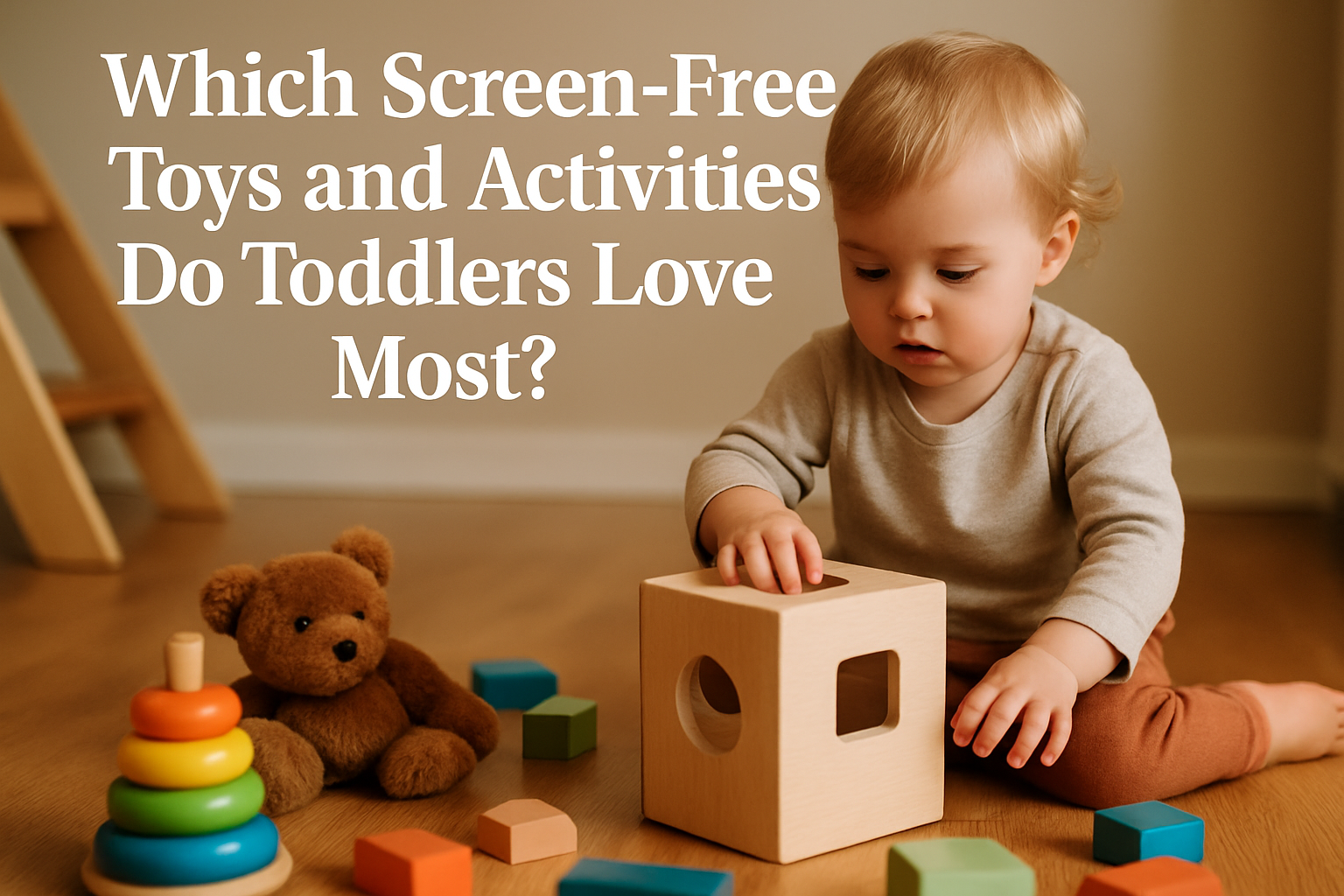

Engaging toddlers in screen-free play offers an invaluable opportunity to cultivate creativity and imagination. Through imaginative play, children can explore different roles and scenarios, which enriches their cognitive development. Whether they are pretending to be a chef, a doctor, or an explorer, these narratives encourage them to express their thoughts and emotions. This type of play helps provide a foundation for problem-solving skills and critical thinking as they navigate various scenarios in their minds and experiment with different outcomes.
Moreover, engaging in physical activities greatly enhances motor skills and promotes physical health. Toddlers are naturally energetic, and screen-free play allows them to channel their energy productively. Activities such as climbing, running, or jumping not only help in developing gross motor skills but also foster balance and coordination. Regular movement is vital for promoting overall health in children, thus setting the stage for a lifetime of physical activity and wellness.
Additionally, screen-free activities serve as excellent opportunities for social interaction and bonding with caregivers. When adults participate in play with toddlers, it strengthens emotional connections between them. Activities such as crafting, building, or even cooking together enrich interactions, allowing for teaching moments, and reinforcing language development. These shared experiences not only enhance communication skills but also build trust and security in toddlers, which is critical for their emotional growth.
Engaging toddlers in various physical and creative play activities is paramount for their development. While technology has become a prevalent form of entertainment, the benefits of traditional play cannot be overlooked. Activities that involve movement and creativity not only entertain toddlers but also significantly contribute to their overall growth. Active play promotes physical fitness, while creative activities enhance cognitive skills, offering well-rounded development opportunities.
A plethora of engaging activities can keep toddlers delighted and away from screens. Simple activities such as drawing, painting, or building with blocks can ignite a toddler's imagination. Likewise, outdoor play, including games like tag or scavenger hunts, not only engages them physically but also allows them to explore their environment and understand the world around them. Crafting with natural materials helps them connect with nature while fostering a sense of accomplishment and pride in their creations.
As we explore the variety of screen-free activities, it becomes clear that the options are endless. From interactive storytelling and puppet shows to music sessions and dance parties, there's something that suits every toddler's interests. These activities can easily be tailored to fit different environments, whether at home or in community spaces. Ultimately, fostering a habit of engaging in screen-free play enables toddlers to develop essential skills while encouraging curiosity and joy in learning.
Create an exciting indoor atmosphere that not only entertains but stimulates your child's physical and imaginative skills. One of the most engaging activities is setting up an Indoor Obstacle Course. Transform your living space into a challenging adventure by using pillows, cushions, and a roll of tape. You can lay out the cushions to function as stepping stones or use pillows to create hurdles to hop over. For balance beams, tape can be laid down on the floor, guiding little feet along a path. This activity not only allows for excellent physical exercise but also encourages problem-solving as children navigate the course, deciding how to overcome each obstacle. The best part? You can change the course repeatedly to keep the fun alive.
Moving on to another delightful indoor endeavor, Fort Building offers a cozy retreat for imaginative play. Using items like chairs and blankets, create a sanctuary that invites storytelling and creativity. Encourage your children to gather their favorite pillows and toys to personalize their fort, creating a space that reflects their individual style. This craft nurtures their spatial awareness and fine motor skills as they arrange and adjust their surroundings. Once the fort is complete, it turns into a vibrant world of adventure, be it an enchanted castle or a pirate ship sailing the seas.
A Dance Party is another fantastic way to bring energy indoors. Simply play some lively music and let the rhythm take control! Children can dance freely, expressing themselves while developing their coordination. To add an exciting twist, incorporate a freeze game. When the music stops, everyone must freeze in place, creating funny poses and encouraging laughter. The freeze game keeps children engaged and ups the fun factor while also developing listening skills. Dancing together promotes bonding moments and heightens physical activity, ensuring that they burn off excess energy while having a blast.
In contrast to the high-energy activities, consider a practical approach with Window Washing. Here, toddlers can use spray bottles filled with water and cloths to clean windows. This hands-on activity combines learning and play, allowing them to understand the concept of cleanliness while developing their fine motor skills. As they spray and wipe, their interest in exploring their environment grows. It also presents a great opportunity for sensory play, engaging their sight, touch, and even smell. The act of 'cleaning' offers both a calming moment and a sense of accomplishment when they see the sparkling results of their work.
The Sticker Story Station is a creative way to stimulate narrative skills and fine motor coordination. Provide toddlers with a variety of stickers and paper, encouraging them to craft their own stories. As they place stickers on the page, they can communicate their ideas, developing both language and cognitive skills. This activity also promotes creative thinking as they come up with storylines or characters for their stickers. With each creation, the children develop a sense of ownership and pride in their work, enhancing their self-esteem.
To round off these indoor activities, Independent Puzzle Time is a wonderful occasion to foster problem-solving skills and independence. Introduce age-appropriate puzzles that challenge their minds while remaining fun. By working through these puzzles, children enhance their logical thinking and hand-eye coordination. As they complete each puzzle, they experience a rewarding sense of achievement, which motivates them to take on even bigger challenges. Providing a quiet space for them to engage in this activity allows them the freedom to explore concepts of shape, color, and pattern on their own terms, nurturing both their cognitive growth and creative independence.
Exploring the outdoors with children offers a multitude of benefits, from fostering an appreciation for nature to enhancing critical observational skills. One engaging activity to start is nature item collection. This simple, yet profound, exercise involves taking a basket outside and encouraging children to gather various natural items they encounter, such as leaves, rocks, flowers, and twigs. By doing this, children learn to identify and appreciate the beauty around them, igniting a sense of curiosity and respect for the environment. The act of collecting can turn a routine walk into an adventure, stimulating discussions about different types of plants, animals, and ecosystems they encounter.
Moving beyond mere collection, this activity can be enriched by discussing the textures, colors, and shapes of the gathered items. Parents and guardians can ask guiding questions—such as 'What do you think this leaf feels like?' or 'Why do you think this rock is smooth?'—which encourages observation and reflection. After the collection is complete, families can create a display at home, where children can showcase their finds and explain their significance, further solidifying their connection with nature. Overall, nature item collection is more than just a fun pastime; it promotes exploration, creativity, and learning about the natural world.
Another fantastic outdoor activity to enhance exploration skills is a nature scavenger hunt. This adventurous pursuit can instill a sense of excitement and anticipation as children receive a list of items to find outdoors. The list may include a variety of items such as different colored leaves, various shapes of rocks, specific types of insects, or even particular sounds, like bird calls. With a focus on both exploration and observation, scavenger hunts encourage children to look closely at their surroundings. As they search for each item, they practice critical thinking and develop a sharper awareness of their environment.
To elevate the scavenger hunt experience, parents can add elements of teamwork and friendly competition, dividing children into teams or letting them work together to complete the list. Parents can also enhance learning by encouraging children to document their findings through sketches or photographs, adding an element of creativity to the process. Similarly, discussing the ecological roles of the items discovered can provide educational value, turning a fun hunt into a rich, informative experience. Ultimately, a nature scavenger hunt fosters both curiosity and teamwork while embedding vital observational skills that children can carry with them as they grow.
Lastly, engaging in gardening activities offers an excellent way to bond while teaching responsibility and nurturing. Planting something together, whether it's flowers, vegetables, or herbs, allows families to dive into the fundamentals of gardening. This activity can be as simple as sowing seeds in small pots or cultivating a section of the yard dedicated to garden growth. Children learn about the cycles of plant growth, from seed germination to flowering, fostering patience and responsibility as they care for their plants.
As the plants begin to grow, this hands-on activity becomes a source of pride for children, as they witness their nurturing efforts come to fruition. Engaging in gardening not only nurtures a connection to the land, but it also teaches valuable lessons about food sources, biodiversity, and the importance of maintaining a healthy environment. Regular discussions about plant care and adjustments due to weather conditions can simultaneously instill adaptability and problem-solving skills in children. By planting something together, families can cultivate both a garden and strong relationships, weaving rich life lessons into a fun outdoor experience.
Engaging young children through sensory activities not only stimulates their senses but also provides an excellent platform for cognitive development. These hands-on experiences can ignite curiosity and promote learning in a fun and interactive way. The following sensory activities are simple to set up and provide endless enjoyment and educational value for toddlers.
A sensory hunt is an exciting way to encourage exploration and discovery. To set this up, fill a bin with rice or beads as a base—both materials offer unique textures that invite tactile interaction. Hide small, colorful toys or everyday objects within the rice or beads. This not only makes the hunt visually appealing but also introduces an element of surprise and excitement as children sift through the materials to find treasures.
As toddlers dig through the sensory bin, they engage multiple senses: the feel of the grains or beads, the sight of vibrant toys, and the sound of the objects clinking together. Encourage children to describe what they find, enhancing their language skills and teaching them to communicate their thoughts effectively. You can also incorporate colors and shapes into the activity by asking questions about the objects they discover. This simple yet effective activity fosters an environment of playful learning, introducing children to concepts of sorting, categorizing, and even basic math as they count the toys they unearth.
The ice excavation activity adds an element of surprise and delight to sensory play. Begin by selecting small toys that are suitable for freezing, such as animal figures or building blocks. Place the toys in a container and fill it with water, then freeze until solid. When you're ready to play, present the solid block of ice to the toddlers and equip them with tools like spoons, warm water in spray bottles, or even salt to aid in their excavation efforts.
As toddlers work to free the toys from the ice, they engage in problem-solving and critical thinking. This activity stimulates fine motor skills as they scrape, dig, and pour, enhancing their hand-eye coordination. Additionally, the temperature contrast provides an interesting sensory experience—feeling the cold ice versus warmer materials encourages discussions about temperature and states of matter. As children express excitement over the toys being discovered, they also learn patience and perseverance, making this activity both fun and educational.
Nothing captures laughter and excitement quite like the crackling sounds of bubble wrap underfoot. Setting up a bubble wrap stomp is incredibly simple and is guaranteed to be a hit with toddlers. Lay out large sheets of bubble wrap on the floor, providing ample space for little feet to dance and jump. When toddlers stomp on the bubble wrap, they experience a delightful array of sounds and sensations, enhancing their sensory processing in a playful manner.
This activity encourages gross motor skill development as children jump, stomp, and move in different directions. Beyond the physical benefits, bubble wrap stomping also promotes social interaction. Children can enjoy this activity together, taking turns or pretending to be on an 'adventure' as they explore the fun of popping bubbles. As they stomp and giggle, they practice coordination and balance, making this a joyful and beneficial sensory experience that leaves a lasting impression.
Creating DIY sensory bags is another effective way to engage toddlers in a tactile learning experience without the mess often associated with sensory play. Start by filling a resealable plastic bag with hair gel or another squishy substance, then add small toys or colorful beads. Seal the bag securely and ensure there are no leaks before handing it over to children. The clear nature of the bag allows toddlers to see the contents while squishing and manipulating the bag, providing a captivating sensory experience.
Sensory bags are versatile; they can serve as a quiet time activity, allowing children to focus and explore without distractions. As they squeeze and move the items within the bag, they enhance their fine motor skills and develop hand strength. Asking open-ended questions about what they see and feel can also stimulate language development and encourage imagination. DIY sensory bags can easily be customized based on themes or seasons, allowing for endless possibilities and keeping toddlers engaged and eager to explore their senses.
Baking projects provide an exciting and delicious way for toddlers to engage with both math and focus. Simple baking activities, such as mixing, pouring, and measuring, can transform the kitchen into a learning environment. As children help gather ingredients, they can practice counting and identifying different measurements. For instance, having them measure out half a cup of flour or a quarter cup of sugar allows them to develop a foundational understanding of quantity and volume. Engaging in these tasks encourages a sense of accomplishment and boosts their confidence in their abilities.
Furthermore, baking also helps enhance fine motor skills. When toddlers whisk batter or roll out dough, they develop muscle coordination and dexterity. It is a fun way to improve hand-eye coordination, which is essential in many aspects of their development. This process of using their hands not only enriches their sensory experience but also introduces them to scientific concepts, such as mixing ingredients and observing changes during baking. By watching how dough rises or how cake batter transforms in the oven, toddlers gain insight into cause and effect, stimulating critical thinking skills in an enjoyable way.
To foster an engaging experience, consider incorporating colorful ingredients, such as sprinkles or food coloring, into the baking process. Allowing toddlers to express their preferences and make choices will enhance their creativity and decision-making skills. The social aspect is equally important; inviting family or friends to join in baking creates a collaborative environment where children learn about sharing, teamwork, and following instructions. Overall, baking serves as a wonderful opportunity for toddlers to learn while having fun, effortlessly blending education with play.
Artisan projects offer toddlers a broader canvas for creativity through various crafts that stimulate their imaginations. Simple yet engaging activities, such as painting, collage-making, or constructing with recyclable materials, challenge young minds to explore their artistic sides. Toddlers can be encouraged to express their emotions and thoughts through their creations. Project ideas may include crafting homemade greeting cards, where children can practice their writing and drawing skills. These types of activities not only promote creativity but also allow for imaginative storytelling, helping to develop their language skills in a unique way.
Moreover, artisan projects can be tailored to fit various themes or seasons, making them versatile and relevant. Seasonal crafts, such as creating fall leaf decorations or spring flower arrangements, can teach children about nature while connecting art to the world around them. Incorporating elements of nature into their crafts not only reinforces observational skills but can also spark curiosity about the environment. Furthermore, children can learn about colors, shapes, and textures as they manipulate different materials, fostering a rich sensory experience that is vital for their development.
Consider implementing a share-and-tell session where children can present their crafts with family or peers. This nurturing platform empowers toddlers to articulate their creative process, share their ideas, and receive praise for their hard work. Such interactions enhance their confidence, communication skills, and social connections. Building an environment where creativity is encouraged does not only enrich their childhood experiences, but also lays a strong foundation for self-expression and critical thinking, essential skills for their future.
Pom-poms are not just colorful decorations; they can also be a fantastic tool for engaging children in fun, interactive play. One effective activity that promotes movement and fine motor skills is the Pom-Pom Drop Activity. This simple yet exciting task encourages children to manipulate small objects while developing their coordination and dexterity. By utilizing everyday materials, you can create an effective learning environment right at home or in a classroom setting.
To set up the Pom-Pom Drop Activity, start by constructing a drop point using a cardboard tube. This can be a paper towel roll or a similar sturdy cylinder that allows pom-poms to slide through easily. Position the tube vertically, ensuring it's secure and stable. Children can take turns dropping pom-poms from various heights to see how they bounce and react as they exit the tube. The process of dropping the pom-poms not only involves hand-eye coordination but also introduces concepts of gravity and force in a playful context.
Next, enhance the activity by creating targets at the bottom of the tube where children can aim to drop their pom-poms. You can place containers, bowls, or even drawn circles on the ground which they can aim for. This adds a competitive edge and makes the experience more engaging. By addressing varying levels of difficulty, such as adjusting the distance of the target or the height from which they drop the pom-poms, children can experience different challenges that encourage persistence and problem-solving skills. This activity can be tailored to different age groups, ensuring that everyone can participate and enjoy the experience.
As children engage in this activity, they naturally develop their fine motor skills through gripping and releasing the pom-poms. The repetitive action of lifting, dropping, and aiming promotes muscle control and enhances their ability to perform more complex motor tasks in the future. Incorporating movement with objective play allows children to explore their physical capabilities while having fun. This blend of play and education highlights the importance of movement in early childhood development, ensuring that children remain active and engaged in learning activities.
Fostering a screen-free lifestyle is essential for holistic development, especially in today's technology-saturated environment. Engaging in diverse activities can significantly enhance physical, cognitive, and social skills. Encouraging individuals, particularly children, to incorporate various experiences into their daily routines helps build well-rounded personalities. Activities such as outdoor play, reading, arts and crafts, and physical sports not only cultivate creativity but also promote teamwork and resilience. By diversifying daily experiences, individuals can discover new passions and interests that contribute to their overall growth and well-being.
It's essential to highlight the importance of balance when introducing screen-free alternatives. Parents and caregivers play a vital role in this process by leading by example. Engaging in screen-free activities alongside children can create shared experiences that foster deeper connections. Organizing family outings or game nights can make these activities enjoyable and memorable, reinforcing the idea that life beyond screens can be fun and fulfilling. Additionally, setting aside designated times for technology use can provide a structure that encourages children to explore other hobbies and interests without feeling overwhelmed by the absence of screens.
Moreover, it's important to recognize that transitioning to a more screen-free lifestyle may require time and patience. Habits develop over time, and shifting the focus from screens to different activities can be a gradual process. Encouragement and motivation are key components in helping individuals find joy in these new endeavors. Offering positive reinforcement and celebrating achievements—no matter how small—can empower others to embrace a lifestyle that nourishes their development. By creating an environment that values diverse interests and promotes exploration, everyone can flourish in a balanced and enriching way.
Screen-free activities hold immense importance in the development of toddlers. They provide valuable opportunities for consistent interaction with peers during playtime, laying the foundation for essential social skills. The absence of screens encourages children to engage fully with one another, fostering a sense of community and support. Whether it’s through cooperative games, imaginative play, or simple conversations, these interactions serve as vital building blocks in their early social development. Children learn to negotiate, share, and empathize when they are engaged in face-to-face play, skills that are essential in nurturing healthy relationships as they grow older.
Moreover, engaging in screen-free activities significantly enhances communication skills among toddlers. Playtime without screens allows children to express themselves verbally and non-verbally in ways that are often hindered by passive screen consumption. For instance, storytelling during play encourages them to articulate their thoughts and emotions while also interpreting the emotions of their peers. Activities such as role-playing can enhance understanding of various social cues, enabling toddlers to communicate effectively in diverse situations. This improved communication not only builds confidence but also equips them with the necessary tools to navigate conversations and express themselves clearly as they progress into their formative years.
Furthermore, screen-free play promotes focus and self-regulation, skills critical for cognitive and emotional development in toddlers. Activities that demand attention, such as building blocks or arts and crafts, require children to concentrate and stay engaged, which helps cultivate their ability to self-manage. Through such experiences, toddlers learn to set goals, follow through on tasks, and deal with setbacks—like when a tower of blocks collapses. These instances support the development of resilience as they practice problem-solving without relying on instant digital feedback. Moreover, exploring their surroundings promotes curiosity and creativity as they experiment with different materials and ideas, leading to a richer understanding of the world around them. Consequently, encouraging screen-free activities fosters not just social and communication skills but also lays a robust foundation for emotional intelligence and creative thinking.
To foster healthy development in children, it's vital to establish boundaries around screen time. Experts recommend that children under 18 months should avoid screen time altogether, except for video chatting. This restriction is based on findings that young children benefit from direct, in-person interactions more than passive screen exposure. Video chatting, when done in a parent-assisted context, can support social connections without the potential negative effects associated with less interactive screen use.
As children reach the ages of 18 to 24 months, introducing high-quality media can be beneficial, but it's crucial that this media is consumed together with parents. Joint viewing allows caregivers to help children make sense of what they see on screen, promoting understanding and communication skills. Engaging with children during media consumption also provides opportunities for discussion and helps clarify any misconceptions. This interactive approach ensures that media serves as a supplement to learning rather than a substitute for essential parent-child interactions.
For children aged 2 to 5, screen time should be limited to one hour per day, again with parental involvement. This guideline emphasizes the necessity of co-viewing, which not only enhances understanding but also builds a foundation for healthy viewing habits. As children older than six continue to grow, the focus shifts towards developing healthy habits surrounding screen time. It's important to ensure that their screen usage does not impede sleep or physical activities. Active engagement in non-screen-related activities is necessary to create a balanced lifestyle that promotes both physical and mental well-being. Parents should encourage outdoor play, creative endeavors, and family time, ensuring screens complement rather than dominate their children’s lives.
One of the most cherished aspects of parenting is discovering activities and toys that captivate children while steering them away from screens. Parents often express that screen-free toys not only serve as a source of entertainment but also foster learning and creativity. Items such as building blocks, arts and crafts supplies, and imaginative play sets are frequently highlighted in parent reviews. These items encourage children to engage in hands-on play, which is essential for their cognitive and motor skill development. The tactile nature of these toys allows children to explore their creativity, leading to unique creations and innovative solutions, an experience that a screen cannot replicate.
Engaging in screen-free activities has been noted to have numerous benefits that resonate well with developmental milestones. Parents report that their children exhibit improved concentration, problem-solving abilities, and social skills through these interactions. For instance, collaborative play with peers helps develop teamwork, as children learn to communicate, negotiate, and resolve conflicts. Moreover, art projects and construction-style toys promote fine motor skills, enabling children to refine their dexterity and hand-eye coordination. Such activities often lead to hours of focused play, providing children with a sense of achievement and boosting their self-esteem.
Another advantage of prioritizing screen-free experiences is the rich bond it creates between parents and children. Many parents share cherished memories of engaging in various activities together, whether it's building a fort, painting a canvas, or practicing a musical instrument. These shared moments not only enhance family connections but also contribute to a child's emotional development. Encouraging imaginative play allows children to navigate their emotions and learn about empathy by role-playing different scenarios. Ultimately, fostering a balance between screen use and engaging, imaginative play can significantly enhance a child's development, leaving a lasting impact on their growth and familial relationships.



Engaging Screen-Free Activities for Toddlers Introduction to Screen-Free Pla...
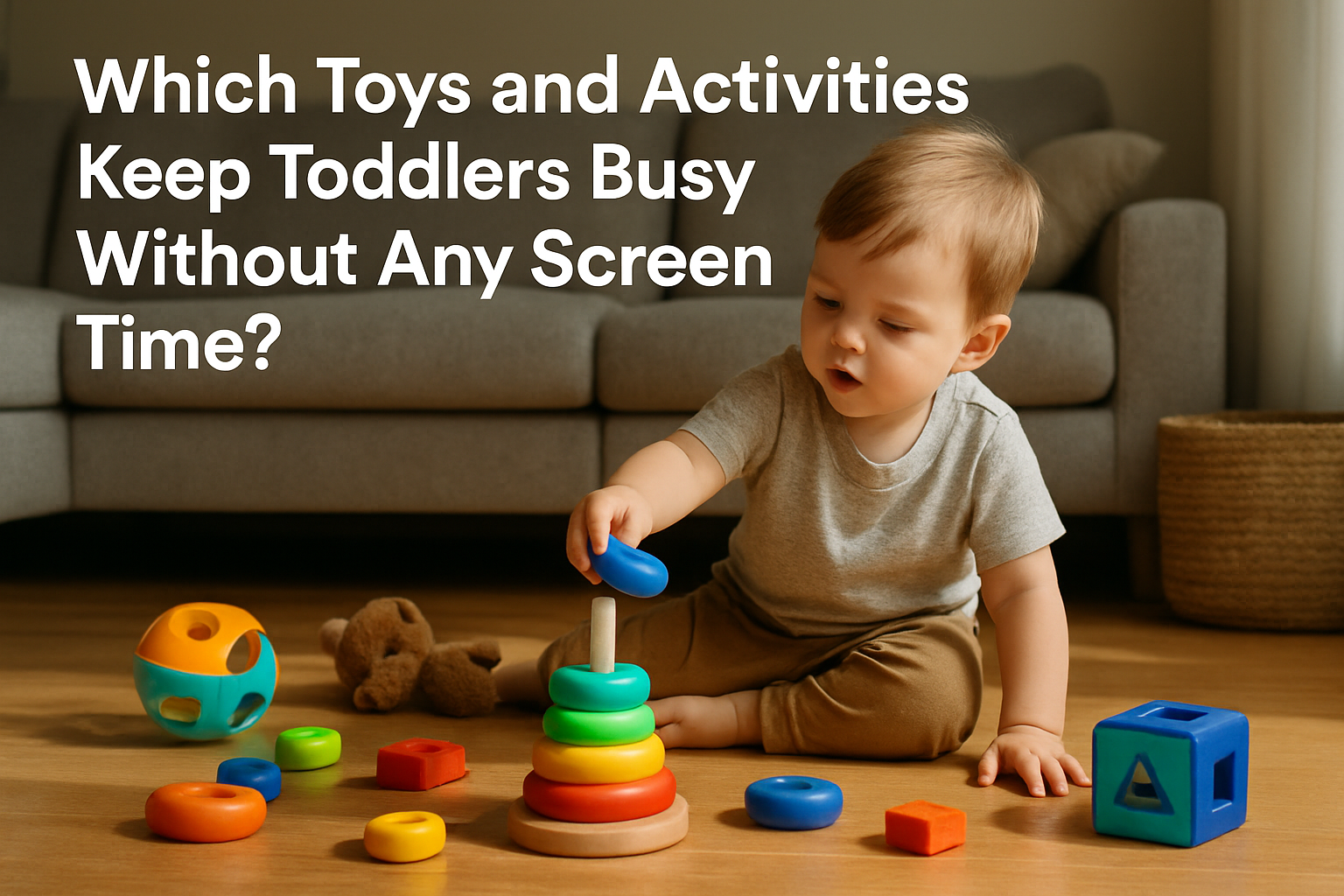

Engaging Screen-Free Activities for Toddlers Introduction to Screen-Free Pla...