

What Are the Top Toys 4-Year-Olds Love Most?
Introduction to Toys for One-Year-Olds Importance of Toys in Development To...



Toys play a critical role in the growth and development of children, especially for one-year-olds. At this age, toys stimulate cognitive development by encouraging exploration and problem-solving skills. Infants engage with toys to learn about their surroundings, which enhances their understanding of cause and effect. For instance, when a child shakes a rattle, they learn that their actions can create sounds, paving the way for more advanced learning as they continue to explore and manipulate different items.
Moreover, toys also encourage the development of motor skills and coordination. Engaging with various types of toys, such as stacking blocks or simple push toys, helps toddlers practice and refine both fine and gross motor movements. The act of grasping, pulling, and pushing helps them develop muscle control and coordination, which are essential for more complex physical activities as they grow. This motor skill development is crucial, as it supports not just physical health but also cognitive capabilities in the long term.
Furthermore, toys promote social interaction and emotional growth. One-year-olds often play alongside peers or with their caregivers, which enhances their social skills and emotional understanding. Cooperative play, even at this early stage, allows children to learn about sharing, empathy, and basic communication. As they engage with toys that facilitate group activities or imaginative play, they become more adept at navigating social situations, which is essential for their overall emotional and social development.
Modern toy choices have evolved significantly, reflecting a growing awareness of environmental concerns and the diverse needs of children. One trend gaining popularity is the use of eco-friendly materials in toy production. Parents increasingly seek out toys made from sustainable and non-toxic materials, recognizing the importance of minimizing their child's exposure to harmful substances. As a result, manufacturers are responding by creating a variety of toys that prioritize safety and sustainability without compromising on quality or entertainment.
Another trend is toward interactive and technology-driven toys. These toys often incorporate features that engage children through sounds, lights, and tactile feedback. Such interactivity can significantly enhance a child's play experience, making learning fun and engaging. There is a fine balance to strike, however, as caregivers must consider the amount of screen time and ensure that technology complements rather than replaces traditional play experiences.
Lastly, there has been a noticeable shift towards inclusive toys that cater to diverse play experiences. This includes toys designed for children with different abilities, ensuring that all children, regardless of their needs, have opportunities for enjoyable and meaningful play. Such inclusivity not only fosters a sense of belonging and acceptance but also helps children learn valuable lessons about empathy and understanding from an early age. As trends in toy choices continue to evolve, the focus on developmentally appropriate, engaging, and inclusive options remains paramount for families raising toddlers today.
Educational toys for one-year-olds serve as the foundation for early learning, introducing young children to essential concepts like numbers, letters, and shapes. These toys not only stimulate cognitive development but also ignite curiosity. Engaging with such toys early on lays the groundwork for a passion for lifelong learning. Activities involving number recognition or shape sorting can be both fun and educational, making the process of learning seamless and enjoyable.
Puzzles, building blocks, and interactive learning games stand out in this category. Puzzles help develop problem-solving skills and hand-eye coordination as children figure out how to place each piece correctly. Building blocks encourage creativity, allowing toddlers to experiment with different structures while improving spatial awareness. Interactive learning games that involve sound and movement can also captivate their attention and promote sensory exploration, ensuring they learn while having fun.
Furthermore, engaging with educational toys aids in language development. Many toys come with books or verbal prompts, which can help in expanding a child's vocabulary as they explore colors, shapes, and numbers. The combination of interactive play with learning reinforces concepts, making it easier for children to grasp new ideas as they grow older.
Motor skills development toys are vital for one-year-olds, aiding in the enhancement of both fine and gross motor skills. As toddlers engage with these toys, they gain confidence and coordination, which are crucial for their physical development. Building strength and dexterity during this formative stage is essential, as it sets the trajectory for their future physical activities and overall health.
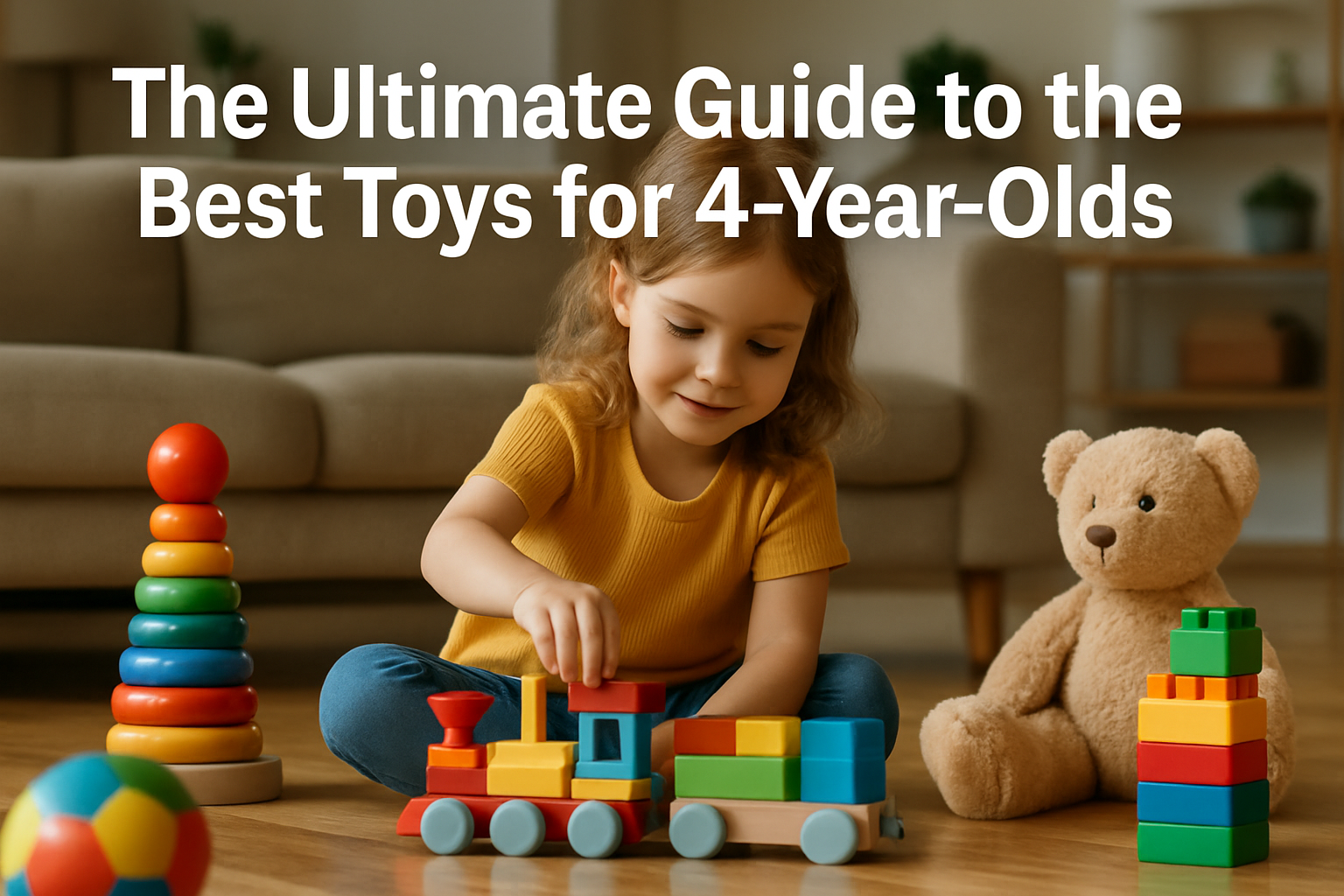
Stacking toys, push toys, and ride-on toys are excellent examples of motor skills development options. Stacking toys encourage toddlers to grasp, balance, and place objects accurately, refining their fine motor skills. Push toys, designed for walking toddlers, promote balance and stability, allowing them to gain confidence as they move. Ride-on toys not only encourage mobility but also provide exercise, helping to refine both gross motor skills and overall coordination.
Engaging with these toys encourages exploration and physical activity, which are critical for a child's development. As toddlers navigate their environment, they develop awareness of their bodies and surroundings. This interaction fosters an agile approach to movement and a sense of independence, which are integral for social interactions and physical endeavors as they progress into later stages of childhood.
One-year-olds thrive on creative and imaginative play, making this category of toys crucial for their emotional and social development. Toys that encourage such play allow toddlers to express themselves and explore different roles through imaginative scenarios. This type of play not only fosters creativity but also enhances social skills as they engage with others in shared activities.
Art supplies, dress-up costumes, and play kitchens are popular among toddlers engaging in creative play. Simple art supplies, like crayons and washable markers, allow children to experiment with colors and forms, nurturing their artistic inclinations. Dress-up costumes enable toddlers to take on different personas, which can aid in understanding social roles and enhancing narrative skills. Play kitchens provide an opportunity for role-playing, allowing children to mimic adult behaviors and develop social skills through collaborative play with peers.
Furthermore, engaging in creative play aids in cognitive growth by stimulating problem-solving capabilities. As toddlers create stories or scenarios, they learn to think critically, a skill that will serve them well as they encounter real-world challenges. Ultimately, toys that promote creative and imaginative play lay the groundwork for well-rounded development, encouraging them to envision and articulate their thoughts and dreams.
Toys that stimulate the senses of touch, sound, and sight are essential for one-year-olds, playing a significant role in sensory development. At this age, children are eager to explore their surroundings, and sensory toys provide the necessary tools to understand and interact with the world. By engaging with different textures, sounds, and visual patterns, toddlers enhance their sensory processing skills, which are integral to overall development.
Examples of sensory toys include sensory balls, textured dolls, and musical instruments. Sensory balls, for instance, encourage tactile exploration as children gauge various textures and sizes. Textured dolls can be comforting companions while also further stimulating tactile experiences through varied fabrics and designs. Musical instruments introduce the element of sound, aiding in auditory development and encouraging children to explore rhythm and cause-and-effect relationships through play.
Additionally, sensory toys can foster emotional development by providing comfort and security. As toddlers navigate their sensory experiences, they often seek solace in familiar toys, helping to establish trust in their environment. The right sensory play can calm anxiety and promote a positive mindset, preparing them for future learning and exploration.
Outdoor toys play a vital role in promoting physical activity and exploration outside for one-year-olds. Encouraging outdoor play is essential for toddlers, as it helps them develop gross motor skills and an appreciation for nature. Active engagement in an outdoor setting not only boosts their physical health but also enhances their emotional well-being by reducing stress and nurturing an adventurous spirit.
Examples of outdoor toys include scooters, balls, and sandbox toys. Scooters provide an opportunity for balance and coordination as children learn to navigate their environment on wheels. Balls can be used for catching, rolling, and kicking, which enhances hand-eye coordination and promotes teamwork in group play. Sandbox toys encourage creativity as children build structures and explore various textures, stimulating their imaginations and encouraging cooperative play with peers.
Moreover, outdoor play fosters curiosity about the natural world. As toddlers play outside, they observe different plants, animals, and weather conditions, which can lead to discussions and learning opportunities about their environment. Consequently, outdoor toys not only facilitate physical development but also promote cognitive curiosity, allowing children to explore new ideas and experiences.
Soft toys and plushies provide more than just physical comfort; they also offer emotional support and companionship to one-year-olds. At this age, children are beginning to form strong emotional attachments, and soft toys can serve as nurturing companions during times of transition, such as bedtime or separation from parents. These toys play a critical role in helping children feel secure and loved.
In addition to providing comfort, soft toys can encourage nurturing behavior in toddlers. As children engage in imaginative play with their plush companions, they learn to express and understand emotions. This interaction supports the development of empathy and caring attitudes toward others, laying the groundwork for healthy relationships as they grow.
Furthermore, soft toys often become a child’s first friend, accompanying them through various stages of development. The familiar presence of a cherished plushie can provide a sense of stability amid changes, enabling children to explore their world with confidence. Hence, soft toys and plushies remain essential components in a one-year-old’s playtime, nurturing their psychological and emotional growth.
Stackable blocks are a classic choice for one-year-olds, and for good reason. These toys enhance problem-solving skills as toddlers figure out how to create different structures. When children engage with blocks, they must experiment with balance and stability, which fosters critical cognitive development. This playful challenge encourages children to think creatively, as they can build anything from towers to houses, sparking their imaginations.
Additionally, stackable blocks develop fine motor skills. As toddlers grasp, stack, and knock down blocks, they strengthen their hand muscles and improve their dexterity. This kind of play is essential for preparing them for more complex motor tasks as they grow. Moreover, the varying shapes and sizes of the blocks can introduce kids to basic geometry, underpinning foundational math skills in a fun and engaging way.
Finally, what makes stackable blocks truly special is their versatility. They can be used in a myriad of ways—whether it's stacking, sorting by color, or even using them as props for imaginative play. This multifunctionality means that children can return to these toys time and again, discovering new ways to play that keep them engaged and learning.
Soft plush toys provide more than just cuddly companions; they play an important role in a child's emotional and social development. For many toddlers, a plush toy becomes a source of comfort and security, especially during transitional phases like starting daycare or sleeping in their own bed. This nurturing bond helps children develop empathy and caring behaviors as they learn to take care of their stuffed friends.
The various textures and materials of plush toys also encourage sensory exploration. One-year-olds are naturally curious, and tactile experiences are critical at this age. These toys allow children to engage their sense of touch, which is vital for cognitive growth. Additionally, plush toys often come in vibrant colors, introducing toddlers to color recognition as they interact with their favorite characters.
Beyond comfort and sensory benefits, soft plush toys can also play a role in imaginative play. Children often enact scenarios or develop stories with their stuffed animals, enhancing their creativity and storytelling skills. This blend of comfort, sensory engagement, and imaginative play makes soft plush toys an indispensable inclusion in any one-year-old’s toy collection.
Interactive learning toys are tailored to support a child's early development in a dynamic way. These toys often incorporate sounds, lights, and various sensors that react to a child's actions, making playtime engaging and educational. For one-year-olds, these toys significantly support language development by encouraging vocalization and mimicking sounds. As toddlers respond to prompts or interact with buttons, they begin to associate words with actions, laying a foundation for effective communication.
Furthermore, these toys can aid in hand-eye coordination. Many interactive toys require children to push buttons, pull levers, or slide pieces, necessitating coordinated movements that enhance their motor skills. This engagement not only promotes physical dexterity but also fosters cognitive connections as children recognize cause-and-effect relationships through their actions.
As they are designed to be attention-grabbing, interactive learning toys often hold a child’s interest for longer periods. This focused playtime is essential for cognitive stimulation, making these toys perfect companions for exploration and learning. With the integration of education and fun, interactive learning toys can significantly contribute to a one-year-old's developmental journey.
Introducing musical instruments to one-year-olds opens the door to rhythm and sound recognition, crucial aspects of sensory development. Instruments like shakers, xylophones, and even drums can captivate a child's attention while providing enjoyable auditory experiences. Early exposure to music can enhance a child’s auditory discrimination, a skill beneficial for language acquisition and processing.
Beyond sensory exploration, musical instruments promote group play experiences. Parents and caregivers can join in, creating a social atmosphere that fosters communication and collaboration. Group music activities often lead to shared laughter and bonding moments, enriching a child's social skills and emotional intelligence.
Moreover, playing musical instruments encourages physical activity. As children explore how to hold, shake, or strike their instruments, they develop coordination and control over their movements. This physical engagement not only supports gross motor development but also integrates creativity and self-expression, laying the groundwork for a love of music that can last a lifetime.
Ride-on toys are another captivating choice for one-year-olds, promoting gross motor development and encouraging active play. These toys provide a stable platform for toddlers as they begin to navigate their environment, sharpening their balance and coordination skills. Riding around fosters independence and confidence as children gain a sense of freedom while exploring.
Imaginative play is also a significant aspect of ride-on toys. Children often mimic real-life scenarios, such as driving or racing, as they zoom around their play spaces. This kind of role-playing supports cognitive growth, allowing toddlers to create stories and fantasies that enhance their creativity and social interactions with others.
Safety is a critical consideration for ride-on toys designed for young children. Many models prioritize stable designs, ensuring that children can enjoy their adventures without risk. This focus on safety allows parents to encourage outdoor play without worry, fostering a love for physical activity and exploration that can last a lifetime.
Sensory toys are designed to stimulate a child's senses with exciting textures, colors, and sounds. For one-year-olds, these toys provide engaging tactile experiences that foster curiosity and exploration. Sensory toys are particularly beneficial at this age, as children are continually learning about their environments through their senses.
Through play with sensory toys, toddlers begin to understand the world around them. For instance, they might feel various textures, see vibrant colors, or interact with toys that make sounds. This kind of sensory input not only enhances cognitive development but also contributes to emotional regulation, as children learn to engage in self-soothing behaviors through sensory exploration.
Additionally, sensory toys can encourage social interaction among peers. When children play together with these colorful and interactive toys, they learn to share, collaborate, and communicate. This foundation of social skills is essential for building friendships and navigating relationships as they continue to grow, making sensory toys an invaluable asset for developmental play.
Arts and crafts supplies provide a platform for creativity and self-expression, which are fundamental in a child's development. For one-year-olds, engaging in creative activities introduces early concepts of colors, shapes, and textures in a hands-on way. Crayons, finger paints, and safe modeling materials allow toddlers to explore their artistic side, developing fine motor skills as they manipulate these tools.
Moreover, arts and crafts foster imaginative thinking. As children express their ideas and feelings through art, they enhance their ability to communicate and convey concepts visually. This exploration does not just cultivate creativity; it also supports problem-solving skills, as children learn to think critically about how to represent their thoughts.
Importantly, the use of non-toxic, safe materials ensures that arts and crafts are suitable for learning and creativity without compromising safety. Parents and caregivers can confidently introduce these materials, knowing that children can unleash their imaginations in a safe environment. Overall, arts and crafts supplies are essential for nurturing creativity, promoting individuality, and enhancing developmental skills in one-year-olds.
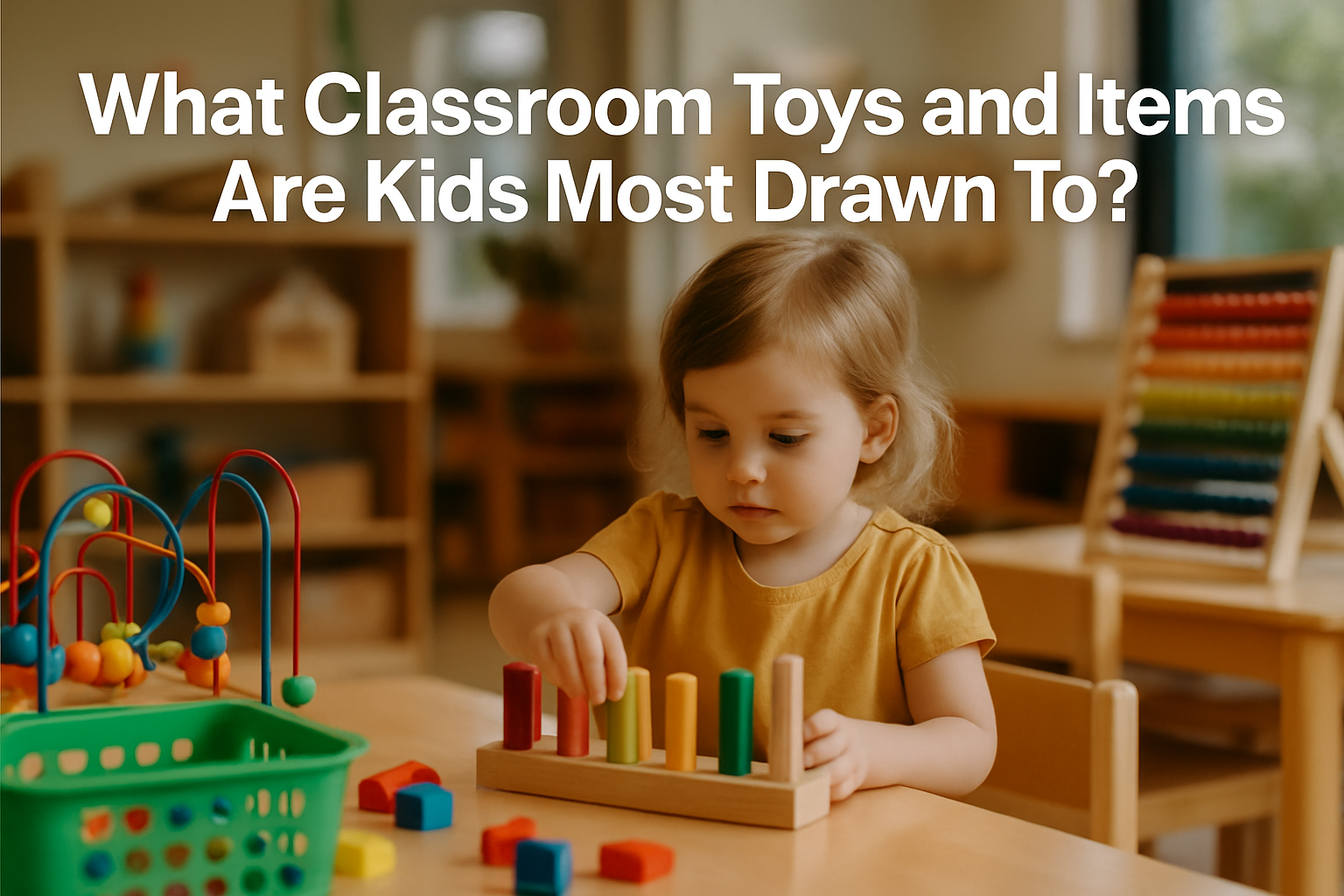
Age-appropriate toys play a vital role in cognitive development. These toys are designed to challenge children’s problem-solving skills and stimulate their critical thinking. For instance, puzzles or building blocks encourage children to think logically as they figure out how to fit pieces together or to build a structure. Engaging in these activities not only enhances reasoning abilities but also develops spatial awareness. Children learn to visualize how different shapes can combine and interact, laying the groundwork for mathematical concepts they will encounter later in life.
Moreover, toys that inspire creativity and imagination are essential for cognitive growth. Art supplies, dress-up costumes, and even simple household items can be transformed into anything a child imagines. When children engage in imaginative play, they learn to express thoughts and ideas, fostering both verbal and non-verbal communication skills. This creative exploration promotes divergent thinking, enabling children to approach problems from various angles. For instance, when a child builds a spaceship from blocks, they are not only playing but also learning about structure, physics, and the power of imagination.
Examples of toys that support cognitive development are abundant. Open-ended toys, such as construction kits and arts and crafts materials, encourage exploration and experimentation. Interactive games that require counting, sorting, or matching can also significantly enhance cognitive skills. These activities provide children with opportunities to engage in trial and error, which is fundamental to learning. While playing, they develop persistence and the ability to overcome challenges, ultimately leading to a more profound understanding of the world around them.
The impact of age-appropriate toys on physical development is profound, as these toys can significantly enhance both fine and gross motor skills. Fine motor skills involve small movements, which are critical for tasks like holding a pencil or buttoning a shirt. Toys such as building sets, threading beads, or manipulating playdough help strengthen the small muscles in a child’s hands and fingers. As children engage with these toys, they improve their dexterity and hand-eye coordination, setting the stage for more complex skills as they grow.
Gross motor skills, which involve larger movements of the body, are equally influenced by playtime. Active play is vital for children’s health and development, promoting not only physical fitness but also coordination and balance. Toys that encourage movement, like balls, tricycles, or climbing structures, get children moving and help them develop strength and motor planning skills. When children run, jump, or climb, they learn how to control their bodies in space, which is essential for sports and other physical activities later in life.
In addition, outdoor play is instrumental in fostering physical development. Playing on swings, slides, and other equipment helps children develop confidence in their physical abilities. Engaging in group games or sports teaches teamwork and cooperation, while also enhancing social skills. The interplay of physical activity and playtime equips children with the skills they need to lead healthy, active lives as they advance into adolescence and adulthood.
Toys are more than just playthings; they are tools for fostering social interaction and collaboration among children. Many age-appropriate toys promote cooperative play, teaching children how to work together towards a common goal. For instance, board games or team-based challenges encourage children to communicate, negotiate, and share ideas. These interactions are crucial in developing social skills like empathy, patience, and understanding the perspectives of others.
Imaginative play is also significant in helping children regulate their emotions. When children engage in pretend play, they explore various scenarios and emotions in a safe environment. This form of play allows them to experiment with different roles and outcomes, helping them process their feelings and develop emotional intelligence. In role-playing games, children can act out situations, understand social norms, and learn appropriate responses to various emotional experiences.
Examples of toys that enhance social and emotional development include cooperative games and role-playing sets. These toys encourage children to work together, communicate clearly, and support one another. Through collaborative play, children build relationships, enhancing their sense of belonging and community. Ultimately, toys serve as a powerful medium for fostering connections, promoting emotional well-being, and cultivating a strong foundation for social interaction as children navigate their experiences in the world.
Once toys are acquired, regular inspection becomes vital to maintaining a safe play area. Parents should develop a thorough checklist that outlines essential maintenance tasks for toys. This can include checking for any signs of damage, wear and tear, or missing pieces. By setting aside time regularly to evaluate these items, caregivers can identify potential hazards early before they result in injury. The importance of consistent monitoring cannot be overstated, as toddlers frequently revisit their favorite toys, which increases the likelihood of identifying issues.
Particular attention should be paid to wear and tear signs, such as frayed edges, broken parts, or splintering materials. These issues can compromise a toy’s integrity and pose safety risks. If any deterioration is noted, it might be time to consider removing the toy from play until it can be repaired or replaced. This diligence ensures that the play environment is not only enjoyable but also secure for little ones.
Creating a safe play environment means that parents must also understand the communal nature of toy sharing. Toddlers often play together, and this can lead to chaos if toys are not regularly inspected and cleaned. Aside from inspecting toys for physical damages, ensuring that they are sanitized and free from dirt or germs contributes to a healthy atmosphere. By fostering a space that emphasizes safety and cleanliness, parents can create a nurturing environment where toddlers can explore and play freely without unnecessary risks.
At one year old, children experience significant developmental milestones that are pivotal for their growth. During this stage, they typically begin to walk independently, which not only enhances their physical abilities but also elevates their exploration of the world around them. This newfound mobility encourages them to engage in more dynamic forms of play, aiding in coordination and balance. As they experiment with different movements, their physical development thrives, reinforcing the idea that play is not just a leisure activity but a fundamental aspect of growth.
Playtime serves as a foundation for cognitive development as well. One-year-olds frequently engage with their environment, learning about cause and effect through trial and error. For instance, discovering that dropping a toy elicits a sound creates a sense of curiosity, prompting them to explore further. This exploratory behavior fosters critical thinking skills and problem-solving abilities. The various games they play, whether they are stacking blocks or rolling a ball, require them to process information, make decisions, and adapt to their surroundings. Therefore, incorporating diverse play activities is essential to nurturing cognitive advancements during this formative period.
Furthermore, play plays a vital role in social-emotional growth at this age. As one-year-olds engage with caregivers and peers during play, they start to learn important social skills. Whether it's sharing toys or taking turns, the interactions that occur during playtime help build a foundation for empathy and cooperation. These experiences contribute to their emotional intelligence, teaching them to recognize and respond to the feelings of others. Overall, the intertwining of play with cognitive and social-emotional development underscores its importance as a multifaceted tool in shaping well-rounded young individuals.
Understanding the different types of play activities prevalent among one-year-olds is essential for fostering their development. At this age, play can largely be categorized into solitary play and parallel play. Solitary play involves children engaging with toys independently, which helps them learn about their environment at their own pace. They may be absorbed in exploring the textures and functions of toys, visualizing their capabilities, and developing fine motor skills. This type of play is not merely a solitary endeavor; it lays the groundwork for more complex social interactions later on.
On the other hand, parallel play begins to emerge as children observe and mimic others. In parallel play, one-year-olds may sit alongside each other, engaging in their activities while occasionally sharing items or exchanging glances. This type of play helps them develop social awareness and learn about cooperative play, laying the foundation for friendships in the future. Observational learning occurs here, as they watch how others manipulate objects and may even attempt to replicate those actions, reinforcing learning through social interaction.
Exploratory and imitative play also come into play during this developmental stage. One-year-olds instinctively explore their surroundings, testing the limits of their physical capabilities and discovering new functionalities of familiar objects. They interact with toys by shaking, banging, or stacking them, which encourages creativity and fosters critical thinking. Additionally, imitative play takes significance as children begin to mimic actions observed in adults and peers. Whether it’s pretending to talk on a phone or copying a caregiver’s gestures, this mimicry is crucial for learning social norms and developing communication skills. In this phase of development, facilitating a variety of play activities not only keeps a child engaged but actively supports their overall growth and understanding of the world around them.
Active supervision is an essential aspect of playtime for children. It ensures that they are safe and can explore their environments freely while minimizing risks associated with play. When caregivers actively observe and engage, they can provide immediate assistance if needed and intervene if play turns unsafe. This level of supervision fosters a secure atmosphere where children feel protected to take risks and experiment. By being involved, caregivers help children navigate challenges and enhance their confidence, which aligns with their developmental needs.
Involving caregivers in play adds an extra layer of enrichment to a child's experience. When parents participate, the dynamics shift, and play sessions become opportunities for bonding and learning. Caregivers can create an interactive experience by asking questions, providing suggestions, or demonstrating new ways to use toys. This not only keeps the child engaged but also reinforces learning objectives. Through shared experiences, children can learn social skills, practice language use, and develop emotional intelligence, all while having fun. Engaging with children during play validates their efforts and encourages further exploration and creativity.
Additionally, interaction during play enhances the overall play experience. It allows for open communication and prompts more imaginative scenarios. Caregivers can introduce concepts like counting, color recognition, or problem-solving as they play together. This combination of supervision and active engagement cultivates an environment ripe for developmental growth. Meaningful interactions also build trust and strengthen the parent-child relationship, making future play sessions even more rewarding and productive.
Recognizing developmental signs through play is vital to supporting a child's growth. Caregivers play a critical role in observing how children engage with toys and activities, allowing them to identify what skills and interests are emerging. For instance, a child might show particular enthusiasm for building blocks, indicating an interest in spatial awareness and fine motor skills. Understanding these signs helps caregivers tailor activities that align with their child's developmental stage, ensuring both challenges and skills are balanced appropriately.
Indeed, tailoring activities to match developmental stages represents a thoughtful approach to play. Each phase in a child's development brings new competencies and interests, so caregivers must adapt their play strategies accordingly. For example, toddlers often benefit from activities that promote gross motor skills, such as climbing or jumping, while preschoolers may be more inclined toward imaginative play that incorporates storytelling. By providing developmentally appropriate toys and activities, caregivers encourage children to explore their capabilities, fostering both independence and confidence.
Moreover, it's essential to encourage exploration while ensuring safety. Caregivers can create a safe and stimulating environment that invites curiosity and discovery. This can include arranging a play area free from hazards and providing age-appropriate toys that challenge yet protect from injury. By promoting safe exploration, caregivers empower children to take initiative and develop problem-solving skills, which are fundamental for their growth. Balancing safety with the freedom to play is key, ensuring that children enjoy their experiences while reaching important developmental milestones.
Living in a small space with toddlers presents unique challenges for parents, primarily stemming from limited room for both daily activities and storage. The presence of toys, which can quickly accumulate, adds to the clutter and overwhelms these already confined environments. Parents often find themselves grappling with the dilemma of how to keep their living space organized while ensuring that their children have access to a variety of toys for play and development. This situation is intensified when children are very young, as they tend to lack the ability to clean up after themselves. Thus, effective organization becomes not only a matter of aesthetics but a functional necessity that directly impacts the quality of life for both parents and children.
Effective organization and storage solutions have far-reaching benefits beyond mere tidiness. A well-organized space can foster a safer environment for toddlers, minimizing tripping hazards and ensuring that toys are stored out of reach when necessary. Additionally, a clutter-free area can positively influence a toddler's ability to focus and engage in play, promoting better cognitive development. Creating designated spaces for storage can also teach children about organization and responsibility from an early age, as they can learn to participate in the cleanup process through playful interactions with their environment.
Ultimately, honing in on storage solutions tailored for small spaces with toddlers is vital. It demands careful consideration of each piece of furniture's function and the toys themselves. The solutions must not only address the physical constraints of the living area but also align with the playful and ever-curious nature of toddlers. By understanding the challenges, parents can approach their storage solutions with a clear strategy that incorporates both functionality and safety.
To navigate the complexities of toy storage effectively, it is essential to focus on specific characteristics that define successful solutions. Compact storage options are paramount, especially in small living spaces where every inch of real estate counts. Utilizing vertical space is one of the most efficient strategies; shelves, wall-mounted bins, and hanging organizers can dramatically increase the available storage while keeping toys off the floor. These solutions not only maximize the limited space but also create an organized environment that enhances accessibility for both parents and children.
Multi-functional furniture offers additional benefits by merging storage and play areas. For instance, storage ottomans or benches can serve as seating while providing a hidden compartment for toys, reducing clutter without sacrificing functionality. This dual purpose allows for a more versatile usage of space, catering to both playtime and downtime. Creating a play area that incorporates these features helps to designate specific zones within the home, making it easier for children to understand their responsibilities at cleanup time.
Furthermore, it is essential that any toy storage solution is child-proof, ensuring safety for inquisitive toddlers. This can include features like rounded edges on bins and containers, lightweight materials that allow children to easily remove and replace toys, and locks on cabinets to keep dangerous items inaccessible. Ensuring the safety of these storage solutions allows parents peace of mind, knowing that their toddlers are engaging with their environment in a safe manner. By centering on compact, multi-functional, and child-proof characteristics, parents can create an effective toy storage system that works harmoniously within small living spaces.
The rise of digital devices in everyday life has undeniably transformed how toddlers interact with their environment. One of the most significant shifts seen in recent years is the increasing screen time that young children are subjected to. This change has an observable impact on how toddlers engage with toys, which are traditionally essential tools for learning and development. Not only do toys provide stimulation, but they also facilitate creativity, problem-solving, and social interaction. However, as screen time increases, the balance of engagement with these vital playthings shifts, leading to substantial concerns among parents and educators.
Research indicates that increased screen time often correlates with reduced engagement in traditional play activities. As toddlers spend more hours in front of screens, the amount of time they dedicate to playing with toys tends to decline. Observational studies have shown that toddlers who engage with screens for two hours or more daily interact with toys for significantly shorter durations compared to their less screen-exposed peers. This reduction in hands-on play time is crucial, given that play is instrumental in cognitive and motor skill development during these formative years. Without the necessary interaction with toys, opportunities for imaginative play, spatial awareness, and fine motor skills could be adversely affected.
Statistics on toy engagement durations reveal striking trends in relation to varying amounts of screen time. For instance, toddlers with up to one hour of screen time daily often engage with toys for about 70% of their waking playtime. Conversely, those exceeding two hours of screen use only spend around 30% of their time engaging with toys. This stark contrast underlines the importance of monitoring screen time to ensure toddlers receive ample opportunities for physical play and interaction with toys. Engaging with toys promotes developmental benefits that screen time cannot replicate, such as sensory exploration and hands-on learning experiences.
Transitioning from screen-based activities to traditional play may require intentional strategies by parents and caregivers. Setting limits on daily screen time and encouraging interactive play can lead to a healthier balance. Furthermore, providing a diverse array of toys can stimulate toddlers' curiosity and nudge them toward choosing hands-on play over screens. Ultimately, as the impact of screen time continues to evolve, so too must our approaches to fostering engaging play environments for children.
Creating DIY toys for one-year-olds can be a delightful endeavor for both parents and children. When considering the types of DIY toys, safety, engagement, and developmental benefits must be prioritized. Selecting safe and engaging materials is paramount, as young children are still exploring their environment through touch and taste. Natural materials such as wood, fabric scraps, and safe plastics can be excellent choices. These materials not only pose less risk if chewed or swallowed but also provide varied textures that enhance tactile exploration. Avoiding small items and sharp edges is essential, ensuring that all components of the toys can withstand the wear and tear of a toddler's playing habits.
Interactive and sensory toys are particularly engaging for one-year-olds, as they captivate children's attention and stimulate their senses. DIY toys like sensory boards made from various materials can introduce your child to different textures, sounds, and colors. Engaging auditory components, like bells or crinkly fabric, can enhance the learning experience by promoting curiosity and discovery. Additionally, building toys that encourage stacking and sorting can help develop fine motor skills, as little fingers learn to grasp, lift, and balance different shapes. Overall, the key is to create toys that not only entertain but also facilitate important developmental milestones during this critical stage of growth.
Construction and stacking toys serve a dual purpose: they encourage creativity and promote coordination. Simple DIY blocks can be made from cut wooden pieces or repurposed cardboard, allowing children to build and deconstruct as they please. These activities encourage spatial awareness and problem-solving skills, as children learn the effects of gravity and balance in a hands-on way. Additionally, these toys can be customized in size and shape, giving parents the flexibility to adjust the complexity of the toys according to their child's developmental level. As children practice their coordination through stacking, they'll also witness their accomplishments, fostering a sense of achievement and confidence.
The cost-effectiveness of DIY toys cannot be overstated. Making toys at home often uses materials readily available around the house, significantly reducing expenses compared to purchasing high-priced commercial toys. Parents can creatively repurpose items like cardboard boxes, old clothes, and scrap wood into fun and engaging toys. This practice not only saves money but also encourages environmental consciousness by promoting recycling and sustainability among families. By embracing DIY toy-making, parents not only engage in a financially practical strategy but also teach their children valuable lessons about resourcefulness and creativity.
Customization and personalization are pivotal benefits of creating DIY toys. Each child is unique, with their own preferences and developmental needs; therefore, DIY toys can be tailored specifically to those individualities. Whether it’s a particular color scheme that excites them or a specific theme they enjoy, parents can make toys that resonate with their child’s interests. Personalizing toys fosters a deeper emotional connection, as children are likely to form attachments to items that reflect their personality. This connection enhances playtime, making it not just an activity but an opportunity to strengthen the parent-child bond.
Moreover, the hands-on experience of crafting these toys can be a rewarding activity for parents as well. It allows them to engage creatively and spend quality time with their children. While making the toys, parents can involve their kids in the process, providing them with a sense of contribution and ownership. Such involvement supports cognitive development as children learn about design, function, and even basic engineering principles. Through this shared experience, both parents and children can enjoy the benefits of interactive play, leading to cherished memories and enriched relationships.
Selecting appropriate toys for one-year-olds is essential for their overall development. Toys serve not only as means of entertainment but also as tools that promote cognitive, physical, and social skills. At this age, children are naturally curious and eager to explore their surroundings. Hence, the right toys can enrich their sensory experiences and help develop fine motor skills. Simple yet engaging toys that involve stacking, sorting, and problem-solving can greatly enhance learning. Understanding the significance of these developmental stages can help caregivers curate a selection of toys that align with each child's unique developmental pathway.
Play acts as a fundamental component of child development, particularly during the early years. Through play, children learn how to interact with others, tap into their imagination, and express their emotions. It fosters creativity and problem-solving abilities, laying a foundation for lifelong learning. Engaging in play also allows children to understand the world around them, and the role of caregivers in facilitating this experience cannot be understated. Parents should take an active role in guiding play. By participating and showing enthusiasm, they can significantly enhance the play experience and strengthen their bond with their child.
Active parental involvement in the selection of toys ensures that children are exposed to age-appropriate challenges that stimulate their development. Parents should consider not just the immediate enjoyment a toy provides, but also its potential to foster learning and growth. By choosing toys that encourage interaction, exploration, and creativity, caregivers can support their child’s developmental milestones. Ultimately, the toys children play with should reflect their interests while also offering the necessary stimulation and challenge to promote healthy growth and learning.


Introduction to Toys for One-Year-Olds Importance of Toys in Development To...

Introduction to Toys for One-Year-Olds Importance of Toys in Development To...