

What Are the Top Toys 4-Year-Olds Love Most?
Introduction STEM toys have become increasingly popular over recent years, c...

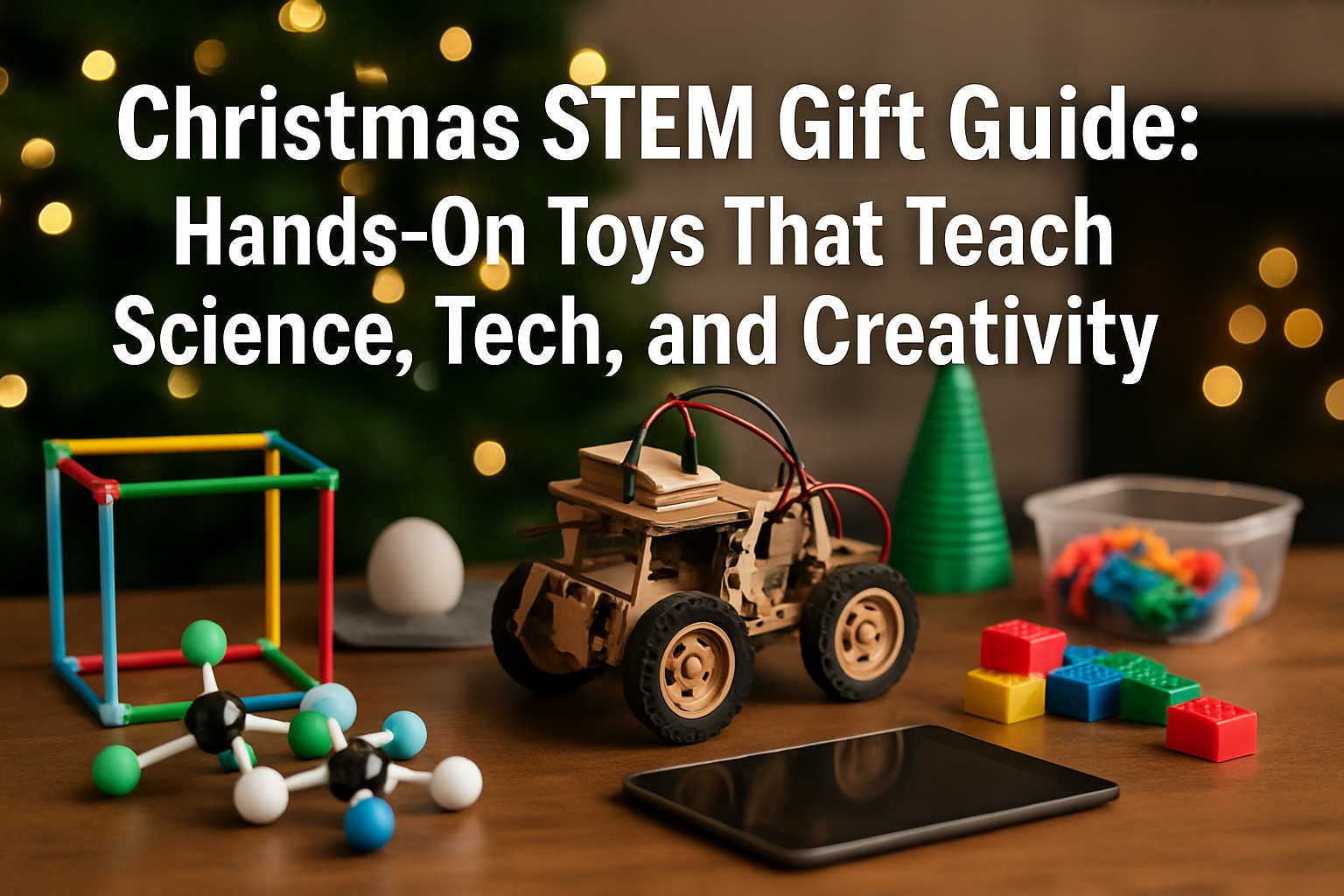

STEM toys have become increasingly popular over recent years, captivating children's imaginations while imparting significant educational benefits. These toys, designed to spark curiosity and encourage exploration, blend learning with fun, making each playtime both enriching and enjoyable. From science kits that foster experimentation to robotics that introduce coding principles, STEM toys cover a wide spectrum that caters to various interests and skill levels. As Christmas approaches, parents and gift-givers often seek out these engaging resources to inspire creativity and critical thinking in young minds.
STEM toys are specifically crafted to engage children in Science, Technology, Engineering, and Mathematics through hands-on learning experiences. These toys encourage children to think critically, solve problems, and develop essential skills necessary for the future. The definition of STEM toys encapsulates a range of products, from simple building blocks that inspire early engineering skills to complex robotics kits that teach coding and computational thinking. By providing children with opportunities to engage in interactive learning, these toys foster a deeper understanding of key concepts in more systematic areas.
The importance of STEM education cannot be overstated in today’s rapidly evolving technological landscape. Early exposure to STEM disciplines provides children with a strong foundation that is crucial for navigating an increasingly complex world. By integrating science and math within playful contexts, these toys not only teach theoretical knowledge but also offer practical applications, encouraging children to inquire, hypothesize, and experiment. Moreover, STEM education equips children with the skills they need to excel in a global economy that values innovation, creativity, and problem-solving capabilities.
Play-based learning is a core benefit of STEM toys, as it seamlessly merges education with enjoyment. This approach recognizes that children learn best through play, allowing them to explore new ideas and concepts in a comfortable and engaging environment. Research indicates that play-based learning enhances cognitive, social, and emotional development. STEM toys nurture curiosity and creativity, inspiring children to dig deeper into subjects they find fascinating. Consequently, play becomes a powerful tool for fostering knowledge retention while promoting teamwork and communication skills through collaborative projects.
Hands-on science kits are an excellent way for children to engage in experimentation and discovery. These kits often come with a variety of materials that allow kids to explore concepts in chemistry, biology, physics, and earth sciences. By actively participating in experiments, children not only learn scientific principles but also develop a sense of curiosity and excitement about the world around them. They can conduct simple experiments like creating chemical reactions or exploring the properties of light and sound, which serves to enhance their understanding through practical experience.
Target age groups for these kits are varied, typically ranging from preschoolers to early teens. For younger children, kits that focus on simple experiments using safe, colorful materials can spark interest without overwhelming them. As they grow older, more complex kits involving coding or sophisticated scientific concepts can be introduced to match their expanding abilities. This gradual increase in complexity helps maintain interest and supports effective learning, as each phase corresponds to the child’s cognitive development level.
The educational outcomes expected from using hands-on science kits are substantial. Children not only gain knowledge of scientific concepts; they also develop critical thinking and problem-solving skills. As they manipulate different materials and observe outcomes, they learn to hypothesize and draw conclusions based on evidence. Importantly, these kits can foster collaboration and teamwork when kids work together, leading to improvements in social skills and communication.
Building and construction toys remain timeless classics that encourage creativity and critical thinking in children. These sets, often composed of various materials such as blocks or interlocking pieces, allow for endless possibilities in design and architecture. As children engage in building activities, they enhance their spatial awareness and hone fine motor skills through manipulation of different components.
The educational benefits of construction play extend far beyond mere creativity; they also involve key elements of math, science, and engineering. For example, when children attempt to balance structures or build vertically, they unknowingly practice physics concepts like gravity and stability. Moreover, construction play often involves problem-solving, as children adjust their designs in response to challenges they encounter, fostering resilience and adaptability.
Recommended popular building toys tend to vary by age group and complexity. Younger children might benefit from oversized blocks that are safe and easy to handle, while older children may enjoy more intricate sets that allow for detailed architectural creations. The variety in options ensures that construction play can cater to a wide range of interests and developmental stages, making it a versatile choice for holiday gifting.
Robotics and coding kits offer a dynamic way to introduce children to the world of programming and engineering. Through engaging play, these kits enable kids to construct and program their own robots, providing an early introduction to fundamental coding principles. As they navigate through challenges in programming their creations, children learn foundational concepts in logic and sequencing, essential skills in today’s tech-driven world.
An overview of available robotics kits reveals a spectrum that caters to different age groups. Younger children can start with straightforward kits that include color-coded programming commands designed for intuitive understanding. As they progress, more advanced kits introduce elements like sensors, motors, and customizable coding options, allowing for greater complexity and personalization in their projects.
User age recommendations for different kits vary significantly, ensuring that every child can participate regardless of their previous experience with technology. Early exposure to robotics cultivates not only technical skills but also a mindset geared towards innovation and problem-solving; essential traits for future success in various fields. That early foundation can inspire a lifelong interest in STEM careers and hobbies.
STEM-themed creative toys merge artistic expression with educational principles, offering a unique perspective on learning. Art and craft kits that specifically promote STEM learning encourage creativity while integrating scientific and mathematical concepts. For instance, children can learn about symmetry and geometry through activities like painting or sculpting, helping them connect artistic endeavors with essential academic skills.
Interactive toys that stimulate imaginative play also hold significant educational value. These toys often encourage children to explore their creativity while also thinking critically about design and function. By challenging them to construct scenarios or invent new games, children are not only entertained but also engaged in cognitive processes that boost their reasoning and planning skills.
Examples of effective creative toys span a wide range, from simple craft supplies to complex building sets that incorporate an artistic element. This variety ensures that there are options available for children of all ages and interests, promoting not just skill development but also enriching their imaginative worlds.
In today’s world, the importance of sustainability cannot be overstated, especially when it comes to toy selection for children. Eco-friendly STEM gifts provide an opportunity to introduce children to concepts of sustainability and environmental responsibility. By choosing toys made from renewable resources or recycled materials, parents can instill values of care and consideration for the environment within their children.
An overview of eco-friendly gift options for STEM education includes toys that incorporate natural materials or those designed to promote recycling and upcycling practices. Many eco-friendly toys are designed not only to educate but also to inspire creativity while making a positive impact on young minds. Through these gifts, children learn about ecological balance and the significance of sustainable practices within their play.
The impact of eco-conscious choices on children is profound. By opting for environmentally friendly options, parents can help children develop an understanding of their role in the world and encourage a future mindset focused on sustainability. This foundation not only enhances their educational journey but also prepares them to be responsible stewards of the planet.
When considering the best STEM toys for children, it’s essential to evaluate them based on specific criteria. This ensures that the toys not only provide fun but also fulfill their educational potential. Key factors in this evaluation include age appropriateness, safety standards, durability, longevity, educational value, and engagement levels.
Age appropriateness and safety standards are paramount when selecting STEM toys. Each age group has unique developmental needs and abilities. Toys designed for younger children should promote basic motor skills and foundational concepts in science and math, while those for older kids can introduce more complex problem-solving and critical-thinking challenges. Furthermore, ensuring safety standards are met is non-negotiable. Toys should not have small parts or hazardous materials that could pose risks to children. Certifications from recognized safety organizations can serve as reassuring indicators that a toy is safe for its intended age group.
Transitioning to longevity and durability, it’s vital to invest in toys that can withstand the rigors of frequent use. Children are inherently curious and may put toys through extensive testing. Selecting toys made from high-quality materials not only enhances their lifespan but also ensures that they can be passed down or shared among siblings or friends. A durable toy maintains its function and look over time, providing more extended play opportunities. Moreover, choosing toys designed for reusability or adaptability can lead to sustained engagement, as children can enhance their play experience with different challenges or methods.
Lastly, the educational value and engagement levels of STEM toys should be core components of your evaluation process. It's essential to consider whether the toy encourages exploration, creativity, and inquiry-based learning. Toys that stimulate curiosity and invite open-ended play often foster a deeper understanding of STEM concepts. Look for toys that align with educational standards and promote skills such as logic, reasoning, and teamwork. Engagement is critical; if a child enjoys the toy, they are more likely to return to it and continue learning. Toys that integrate cooperative play can also enhance social skills while reinforcing educational outcomes.
By methodically assessing toys based on these criteria, parents and educators can make informed choices that enrich children’s learning experiences through play. This thoughtful evaluation process can help cultivate a generation of innovative thinkers prepared to tackle future challenges.
STEM toys offer a unique blend of learning and play, making them an excellent choice for holiday gifting. These toys encourage critical thinking, enhance problem-solving skills, and stimulate creativity in children. By engaging with STEM products, children gain hands-on experience with concepts in science, technology, engineering, and mathematics. This approach not only makes learning enjoyable but also prepares them for future academic and career paths. The benefits of these gifts extend beyond mere entertainment; they foster curiosity and a love for exploration in young minds, laying the foundation for lifelong learning.
As you consider the various options for Christmas gifts this year, it’s worth exploring the wide range of STEM-related items available. From construction kits to coding toys, the market offers something for every interest and age group. Parents should look for toys that are age-appropriate and align with their child's interests to maximize engagement. Encouraging children to choose their own STEM gifts may also enhance their excitement and willingness to learn. These toys can serve as conversation starters among peers, helping children build teamwork and collaboration skills as they embark on projects together.
Finally, tailored recommendations based on age can be beneficial. For younger children, look for toys that introduce foundational STEM concepts in a playful way. For older kids, consider more complex kits that challenge their knowledge and promote critical thinking. Each stage of development presents new opportunities to delve deeper into STEM learning, ensuring that children remain engaged and passionate about their discoveries. Ultimately, investing in STEM gifts this holiday season is an investment in a child's future, encouraging skills that will prove invaluable as they grow.
Creative toys play a vital role in children's development by stimulating their imagination, enhancing problem-solving skills, and fostering creativity. This section explores different types of creative toys that encourage learning through play, focusing on building blocks, art supplies, and STEM toys. Each type offers unique benefits that contribute to a child's growth in various aspects.
Building blocks are one of the most timeless forms of creative toys. They provide endless possibilities for construction and imaginative play. As children manipulate these blocks, they develop fine motor skills and spatial awareness. Every time they stack, balance, or arrange the pieces, they engage in critical thinking and problem-solving. Building blocks can be combined with other elements, allowing children to tell stories, create unique structures, or even design entire worlds. This aspect of imaginative play not only boosts creativity but also encourages collaborative play when children work together to build and create.
In addition to building blocks, art and craft supplies serve as powerful tools for fostering creativity. Items such as crayons, paints, paper, and modeling clay allow children to express their thoughts and feelings artistically. They can experiment with colors, shapes, and textures, providing a multisensory experience that enriches cognitive development. Engaging in creative art projects also promotes fine motor skills through painting, cutting, and gluing. Furthermore, these activities often encourage self-expression and emotional development as children convey their ideas and emotions through their artwork. Art and craft supplies can be a wonderful way for parents and educators to encourage open-ended exploration, letting children create without boundaries.
STEM toys are another exciting category of creative toys that blend education with play. These toys engage children in science, technology, engineering, and mathematics through hands-on activities. STEM toys might include kits for coding, robotics, or simple machines, all designed to make learning interactive and enjoyable. By incorporating problem-solving and critical thinking tasks into a playful context, these toys help children grasp complex concepts at an early age. Children can explore scientific principles, learn the basics of engineering, or develop programming skills while having fun. As they build and experiment, they are encouraged to think critically and embrace challenges, laying the foundation for future learning.
In summary, creative toys encompass a broad spectrum that significantly enhances learning through play. Building blocks, art supplies, and STEM toys each contribute to different facets of a child's development, making them essential tools in nurturing creativity and cognitive skills. By incorporating these toys into playtime, parents can create enriching environments that promote curiosity, exploration, and lifelong learning.
Finding the perfect gift for a budding scientist can be an exciting yet challenging task. Unique gifts that inspire curiosity and facilitate learning about the natural world can have a lasting impact. A thoughtful gift not only resonates with their interests but also encourages exploration, experimentation, and creativity. Here are some top unique gift ideas for nurturing their scientific inquiries.
One fantastic gift idea is hands-on science kits. These kits offer a range of activities that allow children to engage with science concepts actively. They may include experiments related to chemistry, physics, or biology, providing an immersive experience that challenges young minds to think critically. With the right materials and instructions, children can create everything from simple chemical reactions to more complex projects like building solar-powered devices. Such kits foster a sense of accomplishment and promote problem-solving skills, making science fun and relatable.
Another excellent choice is science-themed books. Books that explore various scientific concepts, from the basics of gravity to the complex systems of ecosystems, can ignite a child's interest in understanding the world around them. Illustrated books and engaging narratives can make challenging subjects accessible and enjoyable. Additionally, choosing titles that align with their interests—whether it's space, dinosaurs, or robotics—can create a personal connection to the material. Reading can stimulate imagination while providing knowledge, serving as a gateway for future studies in science.
Experiential gifts, such as science workshops or museum memberships, provide unique opportunities for budding scientists to learn outside the classroom. Participating in hands-on workshops allows children to engage directly with scientific principles and make real-world connections. For instance, they might experience a day of coding or learn about local ecosystems through nature walks led by experts. Similarly, a membership to a science museum can provide ongoing opportunities for learning and exploration. Regular visits to exhibits showcase the latest advancements in various scientific fields, stimulating curiosity and encouraging lifelong learning.
Moreover, creative activities that combine art and science can be particularly enriching. Gifts that promote STEAM (Science, Technology, Engineering, Art, and Mathematics) education can encourage children to see the connections between these disciplines. For instance, projects that involve building structures, creating visually appealing artwork related to scientific themes, or exploring the science of color mixing can yield both fun and educational experiences. Such activities not only enhance creativity but also develop skills in planning, experimentation, and evaluation. Ultimately, unique gifts that foster a love for science can profoundly influence a child's academic journey and ignite a passion for exploration and discovery.
When selecting STEM toys, age appropriateness is paramount. Children at different developmental stages have unique needs and capabilities that should dictate toy choices. For instance, younger children, such as toddlers, benefit from simple, tactile toys that promote sensory exploration. These toys can include basic building blocks or puzzle pieces that not only engage a child's curiosity but also foster essential skills, such as hand-eye coordination and problem-solving. Choosing toys based on developmental stages ensures that children remain challenged yet not overwhelmed, allowing them to thrive in their learning environments.
To further assist parents and gift-givers in selecting appropriate gifts, adhering to guidelines for categorizing toys by age range can be invaluable. Many manufacturers provide suggested age ranges on packaging, which can serve as a helpful starting point. Additionally, parents should consider the individual interests and capabilities of the child when selecting a gift. For example, while one child may excel with advanced coding kits designed for older kids, another may do better with simpler observational games that encourage experimentation and inquiry. By taking the time to evaluate these aspects, caregivers can select toys that not only fit within the recommended age range but also align tightly with the child's current developmental needs and interests.
Safety and environmental concerns are also critical when choosing STEM toys. Assessing safety standards and eco-certifications can help ensure that a toy is not only fun but also safe for children to use. Parents should look for toys that meet international safety regulations, as well as those that have been rigorously tested for harmful substances. This attention to safety can help reduce the risk of accidents or health issues arising from low-quality materials. Furthermore, it’s essential to choose products made from durable and non-toxic materials, as these factors contribute to both the safety and longevity of the toys.
In addition to safety, the importance of sustainable materials cannot be overstated. As environmental concerns grow, many parents are becoming increasingly aware of the ecological impact of their purchases. Opting for toys made from eco-friendly materials ensures that they pose minimal harm to the planet. This may include selecting toys that are made from recycled or renewable resources, or those that emphasize biodegradability. By consciously choosing sustainable toys, caregivers not only provide enriching experiences for children but also promote an awareness of environmental responsibility from an early age. Ultimately, the choices made today can impact future generations, making it vital to consider the lifecycle of children’s toys in the selection process.
Fostering scientific curiosity in children begins at home. Parents can create an environment ripe for inquiry and exploration by incorporating simple, everyday activities that stimulate questioning. Start by turning routine tasks into learning experiences. For example, cooking can be a great opportunity to discuss measurements and changes in ingredients. When kids help mix flour and water for a dough, ask questions like, 'What do you think will happen if we add more water?' Such questions encourage them to hypothesize and discover, providing the foundation for scientific thinking.
Moreover, setting up exploration stations in your home can bolster this inquiry process. Create fun activity corners where children can engage with materials like magnifying glasses, measuring instruments, or even natural items such as rocks and leaves. These stations should invite hands-on exploration, allowing children to ask 'why' and 'how' as they interact with the objects around them. This immersion into exploratory play leads to organic learning, where children experience the thrill of discovery firsthand. Additionally, make it a habit to discuss what they find interesting during these explorations, reinforcing their natural curiosity.
Encouraging group play also plays a vital role in enhancing social interaction, which in turn bolsters scientific inquiry. Collaborative activities not only introduce children to diverse perspectives but also spark new questions. For instance, organizing group projects where kids can build simple structures or conduct experiments fosters teamwork and communication. As they share their observations and findings with peers, children learn to articulate their thoughts, further deepening their engagement with scientific concepts. Through these collaborative experiences, children come to appreciate that science isn’t just an individual pursuit but a collective journey fueled by curiosity and teamwork.



Introduction STEM toys have become increasingly popular over recent years, c...
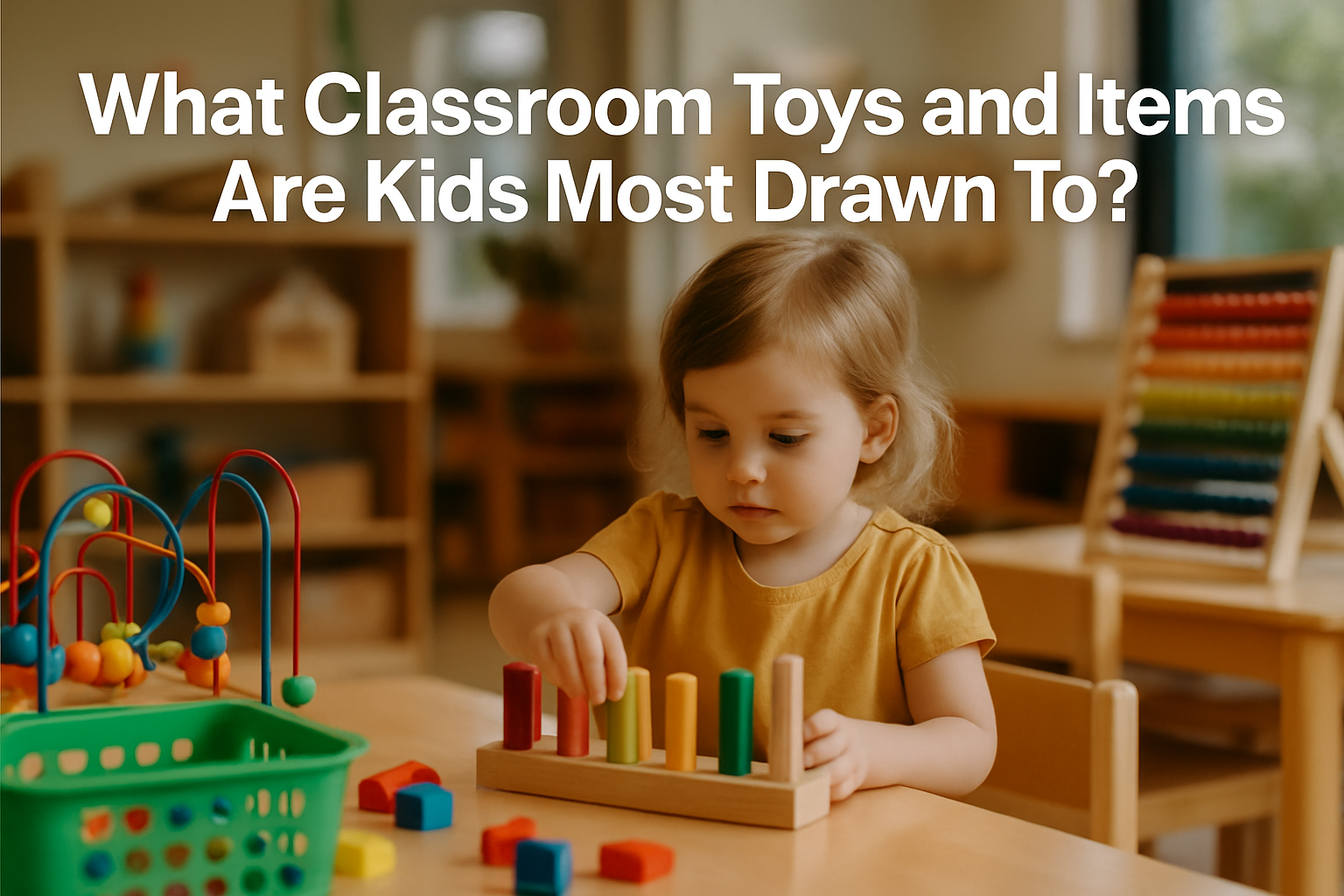

Introduction STEM toys have become increasingly popular over recent years, c...